
.jpeg)
Is Ivosidenib effective in treating glioblastoma?
Ivosidenib is an inhibitor targeting IDH1 mutations. It was initially used to treat IDH1 mutated acute myeloid leukemia (AML) and was approved by the FDA. In recent years, with in-depth research on the molecular classification of brain tumors, researchers have begun to explore its potential therapeutic value in IDH1 mutant gliomas, especially glioblastoma (Glioblastoma, GBM). However, glioblastoma is an extremely aggressive and heterogeneous brain tumor, and its response to single targeted drugs varies significantly even in the presence of IDH1 mutations.
Judging from the current clinical research data, ivonib has shown good disease control effects in low-grade gliomas (such as IDH1mutated astrocytomas or oligodendroglioma) and can delay tumor progression, and some patients have achieved stable disease during treatment. However, in high-grade glioblastoma, although ivonib can inhibit IDH1 mutational activity at the molecular level, due to GBM's multiple driver mutations and the complex tumor microenvironment, its single-agent efficacy is relatively limited and it is difficult to bring significant survival prolongation.
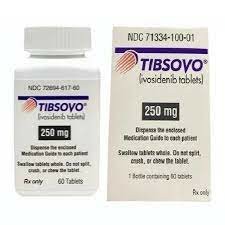
Some small-scale clinical trials have tried to combine ivonib with radiotherapy, chemotherapy or other targeted drugs to improve its efficacy in GBM. For example, combination with temozolomide (Temozolomide) or immunotherapy is becoming a research hotspot. These combination strategies attempt to break the drug resistance barrier of tumors and improve treatment response rates. Although there are currently no large-scale phase III studies to confirm its exact efficacy in glioblastoma, relevant research is progressing.
In general, ivonib, as an oral drug targeting IDH1 mutations, has certain efficacy in certain IDH1 mutant brain tumors, but the effect of single drug treatment of glioblastoma is not significant. In future treatment, combined treatment strategies or early intervention may be needed to better improve the prognosis. For patients, whether to use ivonib needs to be comprehensively evaluated by professional neuro-oncology doctors based on tumor type, IDH1 mutation status and treatment stage.
Reference materials:https://www.drugs.com
[ 免责声明 ] 本页面内容来自公开渠道(如FDA官网、Drugs官网、原研药厂官网等),仅供持有医疗专业资质的人员用于医学药学研究参考,不构成任何治疗建议或药品推荐。所涉药品可能未在中国大陆获批上市,不适用于中国境内销售和使用。如需治疗,请咨询正规医疗机构。本站不提供药品销售或代购服务。


