
.jpeg)
Standard Medication Guide and Taking Suggestions for Vorasidenib
Vorasidenib (Vorasidenib) is a new oral small molecule drug that is selective for IDH1 and IDH2< span> mutation inhibitors are mainly used to treat patients with malignant tumors such as gliomas that carry IDH1 or IDH2 gene mutations. It inhibits abnormal IDHenzyme activity, blocks abnormal metabolism and proliferation of tumor cells, and achieves the purpose of inhibiting tumor growth. With the deepening of clinical research, vorsidenib is regarded as an important targeted therapeutic drug for patients with IDH mutated tumors. This article will introduce in detail the standard medication guidelines and dosage recommendations for vorsidenib to help patients and medical staff scientifically standardize medication.
1. Indications and medication background of vorsidenib
Vosidenib is mainly suitable for adult patients with recurrent or refractory glioma who carry IDH1 or IDH2 gene mutations. For these patients, traditional treatments usually have limited effects and have a poor prognosis. Vorsidenib targets the molecular targets of abnormal tumor metabolism and has good selectivity and safety. Before starting to use vorsidenib, patients should undergo genetic testing to confirm the IDH1 or IDH2 mutation status to ensure accurate application of the drug.
2. Standard dosage and administration method
Vorsidenib is an oral preparation, and the common dosage is once a day. The standard recommended dose is generally 10 mg once a day. The specific dose can be adjusted according to the patient's weight, liver and kidney function, and tolerance. When taking the medicine, swallow the tablet whole and avoid chewing or crushing. It is recommended to take it with enough water to ensure the absorption effect of the medicine.
It is usually recommended to fix the medication time, preferably at the same time every day, to help maintain stable blood concentration. Patients should follow the doctor's instructions and take medication on time, and should not stop medication or adjust the dose at will to avoid affecting the therapeutic effect.
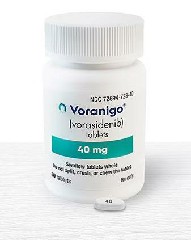
3. Precautions for use and dietary guidance
Vorsidenib has little effect on food and can be taken before, during or after meals. However, in order to reduce gastrointestinal discomfort, some patients may be more suitable to take it after meals. In addition, you should avoid drinking grapefruit juice while taking the drug, because grapefruit may interfere with drug metabolism and affect drug efficacy.
Patients should avoid taking other Chinese herbal medicines or supplements without doctor's approval during medication to avoid drug interactions. At the same time, hematology and liver and kidney function tests are performed regularly to monitor possible side effects and toxic reactions, such as abnormal liver function and cytopenias.
4. Possible side effects and countermeasures
Common side effects of vorsidenib include fatigue, nausea, diarrhea, abnormal liver function and changes in hematological indicators. Most side effects are mild to moderate, and patients can take symptomatic treatment measures under the guidance of a doctor. In the event of serious adverse reactions, you should seek medical treatment promptly and adjust the dose or temporarily discontinue the medication if necessary.
In addition, patients should pay attention to any new symptoms, such as rash, fever, difficulty breathing, etc., which may indicate allergic reactions or immune-related side effects, and need to inform their doctors immediately. Regular follow-up and testing are key to ensuring the safety and efficacy of medication.
5. Patient medication compliance and life management
The efficacy of vorsidenib is closely related to the patient's medication compliance. Patients should strictly follow the doctor's instructions and should not change the dosage or stop taking the medicine on their own. Properly arranging medication time and daily routine, and maintaining good nutrition and mental state will help improve treatment effects and quality of life.
Doctors and nursing staff should strengthen patient education, guide patients to correctly understand the effects of drugs and possible side effects, and help patients establish a positive treatment attitude. At the same time, the support and companionship of family members are also important factors in promoting patients' adherence to treatment.
Vorsidenib, as a targeted drug for IDH1/2 mutated glioma, brings new treatment options to patients. Standardized medication guidelines and scientific taking recommendations are the basis for ensuring therapeutic efficacy and safety. Patients should undergo comprehensive assessment and individualized treatment under the guidance of professional doctors, maintain good medication compliance, and regularly monitor treatment responses and side effects to maximize the therapeutic potential of vorsidenib and improve patient prognosis and quality of life.
Reference materials:https://www.drugs.com
[ 免责声明 ] 本页面内容来自公开渠道(如FDA官网、Drugs官网、原研药厂官网等),仅供持有医疗专业资质的人员用于医学药学研究参考,不构成任何治疗建议或药品推荐。所涉药品可能未在中国大陆获批上市,不适用于中国境内销售和使用。如需治疗,请咨询正规医疗机构。本站不提供药品销售或代购服务。


