
.jpeg)
Is Seladelpar a new selective PPARδ agonist?
Seladelpar is a new type of selective PPAR delta (peroxisome proliferator-activated receptor delta) agonist. In recent years, it has been used in the treatment of primary cholestasis. It has attracted much attention for its potential in metabolic diseases such as cholangitis (PBC) and non-alcoholic steatohepatitis (NASH). PPARδ is a type of nuclear receptor that regulates lipid metabolism, inflammatory response and energy balance. Selective activation of this receptor can effectively improve cholestasis and reduce liver inflammation, while avoiding the possible adverse metabolic side effects of PPARα and γ agonists.
Compared with traditional PPAR drugs, the biggest advantage of Siladepa is that it is highly selective and only acts on PPARδ, reducing interference with the cardiovascular system, body weight and blood sugar metabolism. In multiple clinical trials, Seladelpar has shown significant efficacy in the treatment of PBC patients. It can effectively reduce alkaline phosphatase (ALP) levels, relieve itching symptoms, and improve liver function indicators. It is well tolerated and has a lower incidence of side effects than existing drugs such as obeticholic acid.
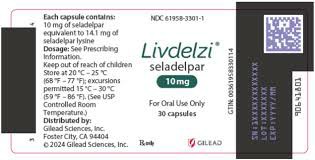
Phase III clinical studies of Seladelparin the treatment of PBC have made positive progress. CymaBayData submitted by the company show that a large proportion of patients taking Seladelpar achieved the combined endpoint standards of biochemical indicators after 12 months, and the efficacy was better than that of the placebo group. At present, the drug has submitted a new drug marketing application (NDA) to the US FDA and has been granted "fast track qualification". It is expected to be approved in the near future and is expected to become another important treatment option for PBC after ursodeoxycholic acid and obeticholic acid.
In summary, Siladepa is indeed a new type of selective PPARδ agonist with a clear mechanism of action. Its therapeutic potential in cholestatic liver disease is well established and has a good safety and tolerability profile. As its marketing progresses, it is expected to fill the shortcomings in current PBC treatments and provide patients with a more targeted long-term treatment plan with lower side effects.
Reference materials:https://www.drugs.com
[ 免责声明 ] 本页面内容来自公开渠道(如FDA官网、Drugs官网、原研药厂官网等),仅供持有医疗专业资质的人员用于医学药学研究参考,不构成任何治疗建议或药品推荐。所涉药品可能未在中国大陆获批上市,不适用于中国境内销售和使用。如需治疗,请咨询正规医疗机构。本站不提供药品销售或代购服务。


