
.jpeg)
What is the average life expectancy after treatment with Thiotepa?
Thiotepa (Thiotepa) is a classic alkylating chemotherapy drug that is widely used in pretreatment programs before hematopoietic stem cell transplantation. It is also used in certain types of brain tumors, breast cancer, ovarian cancer, and bladder cancer. Its main function is to kill rapidly dividing cancer cells by interfering with DNA replication. Although thiotepa itself is not a "curative" drug that directly prolongs life, it is often used as an important part of combination therapy and has a positive effect on improving disease control rates and prolonging patient survival.
Specifically"average life expectancy" depends on factors such as the specific type of cancer the patient suffers from, the stage of the disease, whether to combine transplantation, age and physical condition. For example, in children with primary central nervous system malignant tumors, the treatment model of thiotepa combined with high-dose chemotherapy followed by autologous stem cell transplantation has made it possible for some patients to achieve recurrence-free survival for more than 2 years. Among patients who use thiotepa in pre-transplantation conditioning in adults, if hematopoietic stem cell transplantation is successfully completed, the 1 annual survival rate can reach 60% or more, and some patients can survive 3 years or more.
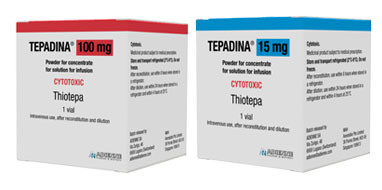
However, thiotepa itself is also associated with certain toxicities, including bone marrow suppression, immune system suppression, and increased risk of infection, which may affect the smoothness of treatment or induce complications in some patients, thus negatively affecting survival. Therefore, its therapeutic effect depends on precise dose control, comprehensive supportive care, and treatment timing. Optimized therapeutic benefits can only be achieved when used in the right patient group.
In summary, the average life expectancy after using thiotepa cannot be generalized. For patients who receive hematopoietic stem cell transplantation, if the overall treatment goes well, it may bring hope of survival for more than 2 to 5 years. However, for patients who are in advanced stages and cannot tolerate strong treatment, it may only provide short-term relief. It is recommended that patients fully communicate with their doctors and develop specific plans based on individual conditions to achieve better survival expectations.
Reference materials:https://www.drugs.com
[ 免责声明 ] 本页面内容来自公开渠道(如FDA官网、Drugs官网、原研药厂官网等),仅供持有医疗专业资质的人员用于医学药学研究参考,不构成任何治疗建议或药品推荐。所涉药品可能未在中国大陆获批上市,不适用于中国境内销售和使用。如需治疗,请咨询正规医疗机构。本站不提供药品销售或代购服务。


