
.jpeg)
Why Thiotepa is routinely used during bone marrow transplantation
Bone marrow transplantation is an important treatment method, mainly used to treat a variety of malignant and non-malignant hematological diseases, such as leukemia, lymphoma and certain hereditary immunodeficiency diseases. In order to ensure the success of bone marrow transplantation, patients usually need to undergo high-dose pretreatment before transplantation, also known as "conditioning regimen". The purpose is to remove the remaining diseased cells in the body and suppress the immune system to prevent the transplanted bone marrow from being rejected. Thiotepa (Thiotepa), as a classic alkylating agent, is widely used in the pretreatment regimen for bone marrow transplantation due to its unique pharmacological properties.
Thetepa has strong cytotoxicity and good tissue penetration. It is an alkylating agent that can cross-link with DNA bases to prevent cell division and replication, thereby killing rapidly proliferating cancer cells and hematopoietic cells. Compared with other alkylating agents, thiotepa has better lipid solubility and can better penetrate the blood-brain barrier and kill tumor cells in the central nervous system. This feature makes it play an important role in the treatment of patients with diseases involving the brain or intramedullary, effectively reducing the risk of brain recurrence.
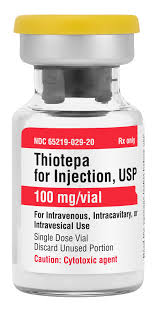
The combined application of thiotepa in bone marrow transplantation conditioning regimen can enhance the effect of pretreatment. It is often used in combination with other chemotherapy drugs such as cyclophosphamide and carmustine to form a multi-drug pretreatment program. Multi-drug combination can synergistically kill tumor cells through different mechanisms, improve the efficiency of clearing diseased cells, while suppressing the patient's immune system and reducing the incidence of rejection. This comprehensive drug combination helps improve survival and long-term outcomes after transplantation.
The use of thiotepa is relatively safe and well tolerated. Although high doses of thiotepa also bring risks of bone marrow suppression, gastrointestinal reactions, and infection, most patients can tolerate the treatment well through reasonable dose adjustment and supportive care. In addition, the metabolic process of thiotepa is relatively clear and the pharmacokinetics are stable, which helps doctors to accurately control the dosage and optimize the therapeutic effect in clinical practice. In short, due to its unique pharmacological properties and clinical advantages, thiotepa has become an indispensable and important drug in the bone marrow transplant conditioning regimen, helping to improve the success rate of transplantation and the quality of patient life.
Reference materials:https://www.drugs.com/donanemab.html
[ 免责声明 ] 本页面内容来自公开渠道(如FDA官网、Drugs官网、原研药厂官网等),仅供持有医疗专业资质的人员用于医学药学研究参考,不构成任何治疗建议或药品推荐。所涉药品可能未在中国大陆获批上市,不适用于中国境内销售和使用。如需治疗,请咨询正规医疗机构。本站不提供药品销售或代购服务。


