
.jpeg)
The combination of fenelidone and empagliflozin significantly reduces proteinuria in patients with T2D chronic kidney disease
New findings from the CONFIDENCE trial show that treatment with the combination of finerenone and empagliflozin significantly reduced albuminuria compared with either drug alone in patients with chronic kidney disease and type 2 diabetes. For many patients, proteinuria is the earliest sign of CKD. 2 In patients with diabetes and nondiabetic nephropathy, elevated levels of proteinuria are associated with faster progression of CKD.
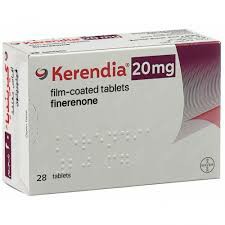
Finelidone is a selective nonsteroidal mineralocorticoid receptor antagonist (nsMRA), and SGLT2 inhibitors such as empagliflozin have been independently shown to delay CKD progression and improve cardiovascular outcomes. The CONFIDENCE study is the first randomized trial to test the hypothesis that early concurrent use of both drugs will provide greater reductions in urinary albumin to creatinine ratio (UACR) over 6 months than either drug alone.
This phase 2, multicenter, randomized, double-blind trial enrolled 818 adults with CKD (eGFR 30-90 ml/min/1.73 m²) and T2D and a UACR between 100 and 5000 mg/g, all of whom received a maximum tolerated dose of a renin-angiotensin system inhibitor for at least one month. Participants were randomized in a 1:1:1 ratio to receive empagliflozin 10 mg once daily + placebo, fenelidone 10 or 20 mg once daily + placebo, or the combination of fenelidone and empagliflozin, with doses adjusted based on baseline eGFR. Baseline clinical characteristics were published in Nephrology Dialysis Transplantation on February 7, 2025.
Randomization was stratified byeGFR (< or ≥60 ml/min/1.73 m²) and UACR (≤ or >850mg/g). Patients were recruited to ensure a diverse population with high comorbidity burden, including cardiovascular disease (28%), diabetic retinopathy (16%), and heart failure (4%).
On day 180, the combination group's UACR was reduced by 52% from baseline, which was significantly greater than the reduction of either drug alone. Specifically, UACR was reduced by 29% (P<0.001) compared with fenelidone alone and by 32% (P<0.001) compared with empagliflozin alone.
The CONFIDENCE study provides a clear message that starting fenelidone and empagliflozin together results in an early and additive 52% reduction in UACR in patients with CKD and T2D, which is much greater than either treatment alone. In other chronic diseases, such as heart failure or hypertension, there is a shift away from the traditional stepwise combination treatment approach. Undoubtedly, 70% of patients on both therapies achieved the ADA recommended UACR reduction target of >30%. Because UACR is a key mediator of renal and cardiovascular outcomes, these results are highly relevant to clinical decision-making.
Importantly, the combination treatment was well tolerated and there were no unexpected safety signals. The incidence of symptomatic hypotension, acute kidney injury, and hyperkalemia leading to discontinuation was low. These findings support a paradigm shift in early dual-pathway intervention for CKD and T2D, providing clinicians with a new evidence-based strategy to optimize outcomes in populations at high risk for renal and cardiovascular complications.
References:https://medicaldialogues.in/nephrology/news/finerenone-and-empagliflozin-combo-significantly-reduces-albuminuria-in-ckd-with-t2d-new-data-from-confidence-trial-149553
[ 免责声明 ] 本页面内容来自公开渠道(如FDA官网、Drugs官网、原研药厂官网等),仅供持有医疗专业资质的人员用于医学药学研究参考,不构成任何治疗建议或药品推荐。所涉药品可能未在中国大陆获批上市,不适用于中国境内销售和使用。如需治疗,请咨询正规医疗机构。本站不提供药品销售或代购服务。


