
.jpeg)
What are the effective treatments for pazopanib resistance?
Pazopanib is an oral multi-target tyrosine kinase inhibitor that is widely used in the treatment of advanced renal cell carcinoma (RCC) or soft tissue sarcoma. It targets key signaling pathways such as VEGFR, PDGFR and c-Kit. However, with the prolongation of treatment time, some patients inevitably develop secondary drug resistance, leading to disease progression. This type of drug resistance mainly results from the reactivation of signaling pathways in tumor cells, activation of alternative pathways, or adaptive changes in the tumor microenvironment. Therefore, after pazopanib fails, it is necessary to promptly evaluate the condition and adjust individualized alternative plans. In view of the current cutting-edge trends in clinical and international research, the following are several types of alternative treatments that are considered to be potentially effective.
First, a widely recognized strategy is to switch to other tyrosine kinase inhibitors (TKIs), such as axitinib, cabozantinib, or ramucirumab. Although these drugs have similar mechanisms of action, their target spectrum and affinity are different, and they can still produce better effects in some patients. For example, cabozantinib can simultaneously inhibit MET, AXL and other alternative signaling axes involved in the formation of drug resistance in renal cancer, and is expected to break through the bottleneck of pazopanib drug resistance. Axitinib, as a second-generation VEGFR selective inhibitor, also has a certain ability to control progressive disease in patients who have previously used pazopanib, and is especially suitable for tumor subtypes characterized by angiogenesis.
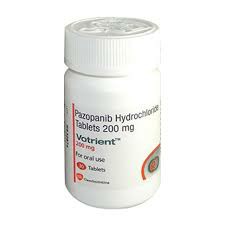
Secondly, the combined or sequential use of immune checkpoint inhibitors has also become an important strategy, especially immunotherapy represented by programmed death receptor 1 (PD-1) inhibitors such as nivolumab (Nivolumab) or programmed death ligand 1 (PD-L1) inhibitors such as atezolizumab (Atezolizumab). Research in recent years has shown that some TKI-resistant patients are sensitive to immunotherapy, which may be due to resistance-related microenvironmental changes that enhance immune recognition. For patients with a rich immune microenvironment, single-agent or combined immunotherapy (such as nivolumab plus ipilimumab) can achieve durable responses. Therefore, in the comprehensive evaluation after drug resistance, attention should be paid to the detection of PD-L1 expression, TMB levels and inflammation-related markers to screen individuals suitable for immune intervention.
In addition, some studies support the consideration of using mTOR inhibitors such as Everolimus or Temsirolimus after pazopanib resistance, especially in patients who failed to block the early angiogenesis pathway but had significant mTOR signaling activation. The mTOR pathway is closely related to cell proliferation and metabolism, and its abnormal activation plays an important role in TKI resistance. Therefore, this class of drugs provides an alternative idea in certain clinical situations. Although its anti-tumor activity is slightly lower, its toxicity spectrum is different and it can be used as a transitional option during the treatment window.
In addition to targeted therapy, clinical practice is also paying more and more attention to the application of liquid biopsy and genetic testing in identifying drug resistance mechanisms. BycfDNA (circulating free DNA) detection, potential mutations or drug-resistant clones in tumors can be identified, thereby guiding precise drug use. For example, MET amplification, RET fusion or FGFR mutation can become the entry point for the next targeting strategy. For example, if there are FGFR-related mutations, FGFR inhibitors, such as Erdafitinib and other targeted drugs, can be considered. This type of precision treatment is still in the experimental stage, but it provides a new direction for personalized intervention after pazopanib resistance.
Reference materials:https://www.votrient.com/
[ 免责声明 ] 本页面内容来自公开渠道(如FDA官网、Drugs官网、原研药厂官网等),仅供持有医疗专业资质的人员用于医学药学研究参考,不构成任何治疗建议或药品推荐。所涉药品可能未在中国大陆获批上市,不适用于中国境内销售和使用。如需治疗,请咨询正规医疗机构。本站不提供药品销售或代购服务。


