
.jpeg)
Imaging evaluation methods during regorafenib treatment
Regorafenib is a multi-target tyrosine kinase inhibitor mainly used to treat various solid tumors such as gastrointestinal stromal tumors (GIST), colorectal cancer and hepatocellular carcinoma. Since its mechanism of action involves the inhibition of multiple targets in tumor angiogenesis, tumor cell proliferation and tumor microenvironment, dynamic monitoring must be carried out during the treatment process, of which imaging evaluation is one of the key means. Currently, the mainstream international evaluation standards include the RECIST 1.1 standard and the mRECIST standard. These standards are widely used in clinical trials and actual treatment to determine the response of tumors to drugs.
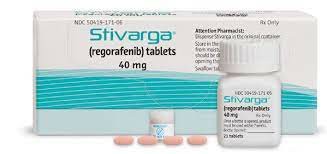
During treatment with regorafenib, imaging methods mainly include enhanced CT and MRI. For abdominal solid tumors such as GIST, contrast-enhanced abdominal CT is the first choice, as it can better display changes in lesion size, shape, and density. For hepatocellular carcinoma, contrast-enhanced MRI is recommended, especially under the mRECIST standard, which is more sensitive in assessing the regression of arterial phase enhancement within the tumor. Imaging examinations are usually recommended for baseline assessment before treatment, and then for the first reexamination at 6 to 8 weeks after treatment, and subsequent assessments every 2 to 3 months according to the specific treatment plan. This frequency can promptly capture whether the lesions progress, stabilize, or remit, thereby guiding whether to continue the original plan or adjust treatment strategies.
In actual operation, there may be limitations in judging the therapeutic effect solely based on changes in tumor diameter, because regorafenib has an anti-angiogenic effect, and tumors may not shrink rapidly, but may have density changes or central necrosis. Therefore, it is sometimes necessary to introduce auxiliary indicators such as Choi criteria to comprehensively evaluate changes in density and size of lesions. In addition, some patients may show "pseudo-progression" on imaging, that is, the tumor increases slightly in a short period of time, but is actually necrotic tissue or immune cell infiltration reaction, which requires comprehensive judgment based on pathology, biochemistry and clinical symptoms.
Reference materials:https://www.stivarga-us.com/
[ 免责声明 ] 本页面内容来自公开渠道(如FDA官网、Drugs官网、原研药厂官网等),仅供持有医疗专业资质的人员用于医学药学研究参考,不构成任何治疗建议或药品推荐。所涉药品可能未在中国大陆获批上市,不适用于中国境内销售和使用。如需治疗,请咨询正规医疗机构。本站不提供药品销售或代购服务。


