
.jpeg)
Comparative analysis of the differences between Donanemab and Lencanezumab
Donanemab (Donanemab) and Lecanemab (Lecanemab) are both anti-β-amyloid drugs developed in recent years for Alzheimer’s disease (AD) Protein (Aβ) monoclonal antibody drugs, they delay cognitive function decline by clearing Aβ plaques in the brain, but there are certain differences in targets, mechanisms of action, clinical effects and side effects.
First of all, from the perspective of its target, donenemab mainly targets “mature” or highly aggregated Aβ plaques, that is, plaque deposition has been formed of Aβ protein; while lencanezumab targets more of the soluble fibril or oligomer stage of Aβ protein. The difference between the two means that lencanezumab may be more suitable for use in the early stages of AD to prevent Aβ aggregation, while donexumab tends to clear established deposits and is more targeted for patients in the intermediate and advanced stages.
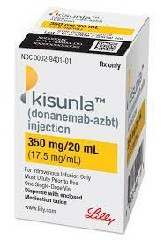
Secondly, clinical studies show that both have achieved certain results in delaying the progression of Alzheimer's disease. Lencanezumab showed the ability to delay the progression of mild cognitive impairment by approximately 27% in a phase III clinical trial; while donexumab was shown to slow the progression of mild cognitive impairment by approximately 27% in its TRAILBLAZER-ALZ 2Research has also confirmed that it can slow down brainAβ load and cognitive degradation to a certain extent. Although the difference in efficacy between the two is difficult to directly compare, donexumab may clear plaque slightly faster.
Again, in terms of side effects, both have "amyloid-related imaging abnormalities" (ARIA), especially cerebral edema (ARIA-E) and microbleeds (ARIA-H). However, the risk of ARIA with donenezumab is slightly higher than that with lencanezumab, especially among APOE ε4 gene carriers who need closer monitoring. Therefore, before using donelenumab, genetic screening and MRI examination are usually performed to reduce the risk.
To sum up, donenezumab and lencanezumab are effective anti-ABeta-targeted drugs all play a positive role in the treatment of Alzheimer's disease. The former focuses more on removing deposited plaques and is suitable for patients with moderate conditions; the latter intervenes in underlying pathological processes earlier. The selection of specific drugs requires comprehensive consideration of the patient's disease course, genetic characteristics and safety assessment, and professional physicians will formulate individualized treatment plans to achieve the best therapeutic effect.
Reference materials:https://www.drugs.com
[ 免责声明 ] 本页面内容来自公开渠道(如FDA官网、Drugs官网、原研药厂官网等),仅供持有医疗专业资质的人员用于医学药学研究参考,不构成任何治疗建议或药品推荐。所涉药品可能未在中国大陆获批上市,不适用于中国境内销售和使用。如需治疗,请咨询正规医疗机构。本站不提供药品销售或代购服务。


