
.jpeg)
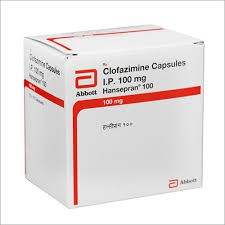
Clofazimine (Clofazimine) instruction manual details and safety guidance
Clofazimine (Clofazimine) is a broad-spectrum antibacterial drug mainly used to treat leprosy (Hansen disease) and certain Mycobacterium tuberculosis infections. As a fat-soluble dye drug, clofazimine not only has antibacterial activity, but also exerts anti-inflammatory and immunomodulatory effects. This article will introduce in detail the instructions, pharmacological mechanism, usage and safety guidance of clofazimine to help patients and medical staff use the drug rationally and scientifically.
1. Pharmacological mechanism and indications
Clofazimine achieves bactericidal or bacteriostatic effects by inhibiting the DNA replication and cell membrane function of Mycobacterium tuberculosis and Mycobacterium leprae. Its fat-soluble properties allow it to be concentrated in adipose tissue and skin, making it particularly suitable for the treatment of leprosy patients with skin and nervous system involvement. In addition, clofazimine can inhibit the release of inflammatory mediators, reduce local tissue inflammatory reactions, and relieve symptoms.
Main indications include:
An essential drug in multi-drug leprosy treatment (MDT), used to treat many types of leprosy, especially multibacillary leprosy.
Other refractory non-tuberculous mycobacterial infections, sometimes used in combination with tuberculosis.
Studies have shown that clofazimine also has certain effects on some chronic inflammatory diseases, but its clinical application is limited.
2. Usage and dosage
Clofazimine is usually taken orally in capsule or tablet form. The usual dosage for adults is 100 mg per day for several months to one year. The specific course of treatment is adjusted based on the condition and the guidance of a doctor. Leprosy patients often use multi-drug combination therapy, in which clofazimine is used in combination with rifampicin and daptomycin.
When taking the medicine, swallow the tablet whole and avoid chewing or crushing. To reduce gastrointestinal irritation, it is recommended to take it with food. During treatment, you should strictly follow the doctor's instructions and do not stop the medication or change the dosage at will to ensure the efficacy and reduce the risk of drug resistance.
3. Adverse reactions and safety monitoring
Clofazimine is relatively safe, but long-term use may cause the following adverse reactions:
Skin and soft tissue pigmentation: About70-80% of patients will develop reddish-brown or dark brown skin pigmentation, mainly affecting exposed parts and fat-rich areas. It is usually reversible, but recovery is slow after stopping the drug.
Gastrointestinal reactions: nausea, diarrhea, stomach discomfort, etc., which mostly occur in the early stages of medication and are usually mild.
Ocular side effects: Corneal deposition is occasionally seen, and long-term high-dose medication requires ophthalmological monitoring.
Allergic reactions: Rare rashes, itching, etc. should be dealt with promptly.
Liver and kidney function, hemogram and ophthalmological examination should be monitored regularly during treatment, especially in patients taking long-term high-dose medication.
4. Precautions for use
Avoid using it alone: Clofazimine should be used as part of a multi-drug combination therapy to prevent the development of drug resistance.
Use by pregnant women and lactating women: There is insufficient safety data and use should be avoided unless necessary.
Drug interactions: Clofazimine can affect liver enzymes and may interact with other drugs. Patients should inform their doctors about all medications they take.
Pay attention to sun protection: Due to skin pigmentation and photosensitivity, strong ultraviolet radiation should be avoided during treatment.
Patient education: Inform patients of possible skin discoloration and other side effects to avoid panic and encourage adherence to treatment.
Clofazimine is an indispensable drug in the multi-drug treatment of leprosy and has significant antibacterial and anti-inflammatory effects. Its safety is good, but long-term use requires attention to side effects such as skin pigmentation and gastrointestinal discomfort. Standardized medication use, scientific monitoring and patient education are the keys to ensuring treatment effectiveness and medication safety. Patients should strictly follow the doctor's instructions, follow up regularly, and report discomfort in a timely manner to ensure the successful completion of treatment. Through the rational use of clofazimine, leprosy and related infections can be effectively controlled, the prognosis of patients can be improved, and the quality of life can be improved.
Reference materials:https://www.drugs.com
[ 免责声明 ] 本页面内容来自公开渠道(如FDA官网、Drugs官网、原研药厂官网等),仅供持有医疗专业资质的人员用于医学药学研究参考,不构成任何治疗建议或药品推荐。所涉药品可能未在中国大陆获批上市,不适用于中国境内销售和使用。如需治疗,请咨询正规医疗机构。本站不提供药品销售或代购服务。


