
.jpeg)
Analysis of the instructions and precautions for taking Ruxolitinib (JAKAVI) tablets
Ruxolitinib (JAKAVI, generic name ruxolitinib) is an oral small molecule inhibitor that mainly targets Janus kinases 1 and 2 (JAK1/2). As an innovative targeted drug, ruxolitinib plays an important role in the treatment of myeloproliferative diseases such as myelofibrosis (MF) and polycythemia vera (PV). By blocking the JAK-STAT signaling pathway, it reduces the proliferation and inflammatory response of abnormal cells, significantly relieves patients' symptoms and improves their quality of life. This article will provide a detailed analysis of the instructions and precautions for taking ruxolitinib to help patients and medical staff use the drug scientifically.
1. Drug indications and mechanism of action
Ruxolitinib is indicated for adults with moderate to severe primary myelofibrosis (PMF), secondary myelofibrosis (SMF) and polycythemia vera (PV). Myelofibrosis is a malignant disease of bone marrow hematopoietic stem cells, characterized by myelofibrosis, anemia, splenomegaly and systemic symptoms. Polycythemia vera is an abnormal increase in red blood cells, leading to an increase in blood viscosity, which can easily lead to thrombotic events. Ruxolitinib inhibits JAK1 and JAK2, blocks the overactive JAK-STAT signaling pathway, regulates abnormal cell proliferation and inflammatory response, thereby alleviating splenomegaly and related symptoms.
2. Usage, Dosage and Medication Guide
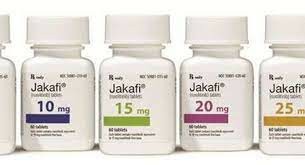
The generally recommended starting dose of ruxolitinib tablets is 10 mg twice daily. Dosage can be adjusted based on patient weight, platelet count, and clinical response, up to a maximum dose of 25 mg twice daily. The tablet should be swallowed whole, with food or on an empty stomach, but it is recommended to take it at a fixed time every day to maintain stable blood concentration. If patients miss a dose, they should take it as soon as possible, but if it is too close to the next dose, they should skip the missed dose and avoid doubling the dose.
During treatment, patients need to have regular follow-up visits under the guidance of a professional doctor, who will adjust the dose based on blood indicators and symptoms. If the patient experiences severe side effects, the doctor may temporarily stop the medication or adjust the medication regimen. Do not stop taking the medication or adjust the dose on your own, as this may affect the therapeutic effect or cause adverse events.
3. Adverse reactions and monitoring points
Common adverse reactions of ruxolitinib include anemia, thrombocytopenia, leukopenia, infection (such as upper respiratory tract infection), abnormal liver function, headache, fatigue, nausea and diarrhea. Of particular concern are blood cell reduction and the risk of infection. Patients should regularly monitor blood routine and liver and kidney function during treatment.
In addition, ruxolitinib may cause immune system suppression, and patients should avoid receiving live vaccines. If fever, persistent cough or other symptoms of infection occur during treatment, you should seek medical treatment in time. Some patients may experience rare side effects such as fluid retention, rash, or abnormal heart rhythm, so they need to be vigilant and report to their doctor promptly.
4. Medication precautions and taboos
Before using ruxolitinib, patients should inform their doctors about all the drugs they are taking, and avoid taking them with strong CYP3A4 inhibitors (such as some antifungals, antibiotics) and inducers (such as some antiepileptic drugs) to prevent abnormal blood drug concentrations from affecting efficacy and safety. Pregnant and lactating women should avoid using this medicine, and women of childbearing age should take effective contraceptive measures.
In addition, ruxolitinib should be used with caution or contraindicated in patients with severe hepatic insufficiency or a history of allergies. During medication, patients should maintain a healthy lifestyle, avoid drugs and supplements that increase the risk of bleeding (such as high-dose aspirin), and pay attention to preventing infections.
Ruxolitinib, as aJAK1/2 inhibitor, plays an important role in the treatment of myelofibrosis and polycythemia vera. Standardized and rational medication use and strict safety monitoring are the keys to ensuring successful treatment. Patients should strictly follow the doctor's instructions and take medications, undergo regular check-ups, pay attention to adverse reactions, and communicate with the doctor in a timely manner. Through scientific medication management, ruxolitinib can effectively improve patients' symptoms and quality of life, becoming an important tool in the treatment of myeloproliferative diseases.
Reference materials:https://www.drugs.com
[ 免责声明 ] 本页面内容来自公开渠道(如FDA官网、Drugs官网、原研药厂官网等),仅供持有医疗专业资质的人员用于医学药学研究参考,不构成任何治疗建议或药品推荐。所涉药品可能未在中国大陆获批上市,不适用于中国境内销售和使用。如需治疗,请咨询正规医疗机构。本站不提供药品销售或代购服务。


