
.jpeg)
Why Vigabatrin/vigabatrin is not recommended for patients over 10 years old
Vigabatrin/vigabatrin is an anticonvulsant drug used to treat epilepsy. It mainly works by irreversibly inhibiting gamma-aminobutyric acid transaminase (GABA-T), thereby increasing the concentration of GABA (gamma-aminobutyric acid) in the central nervous system, playing a sedative and anti-epileptic role. Although the drug has significant effects in the treatment of infants and young children, especially infantile spasms (West syndrome), it is not recommended for routine use in patients over 10 years old. The main reasons focus on the visual risks, safety evaluation and alternative treatment options caused by its long-term use.
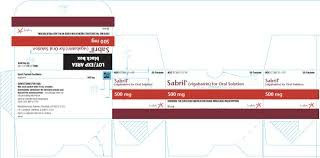
First of all, the most serious adverse reaction of long-term use of Vigabatrin is that it can lead to permanent visual field defects (VFDs). This retinal toxicity occurs more frequently in older children and adults, and its progression is irreversible, and vision cannot be restored even if the drug is stopped. This type of visual defect is mainly manifested by the narrowing of the peripheral vision, which is called "tunnel vision", making patients prone to dangerous situations such as falls and collisions in life. For patients over 10 years old, the development of the visual system has stabilized, and the demand and dependence on vision in life is higher. Once visual field damage occurs, the impact on learning, activities, and quality of life will be far greater than in infants and young children.
Secondly,Children over 10 years old have diverse epilepsy types and are often more sensitive to other new generation anti-epileptic drugs. In recent years, a variety of drugs including levetiracetam, lamotrigine, topiramate, etc. have shown better safety and a relatively low incidence of adverse reactions. Therefore, vigabatrin is no longer the first choice if alternatives are feasible, especially for children with non-refractory epilepsy.
In addition, Vigabatrin use has been associated with other neuropsychiatric side effects, such as drowsiness, mood changes, and even cognitive decline. Children over 10 years old are in a period of rapid cognitive development. If such side effects occur, it may have a long-term impact on their academic and psychological state. Therefore, clinicians usually weigh the risks and benefits and are more inclined to choose safer and more controllable drugs for patients in this age group.
Reference materials:https://www.sabril.net/
[ 免责声明 ] 本页面内容来自公开渠道(如FDA官网、Drugs官网、原研药厂官网等),仅供持有医疗专业资质的人员用于医学药学研究参考,不构成任何治疗建议或药品推荐。所涉药品可能未在中国大陆获批上市,不适用于中国境内销售和使用。如需治疗,请咨询正规医疗机构。本站不提供药品销售或代购服务。


