
.jpeg)
Selinisol inhibits XPO1 with potential for R/R AML in pediatric patients
Selinexor (KPT-330) is a selective exportin 1 (XPO1) inhibitor that has shown good promise in the treatment of relapsed or refractory acute myeloid leukemia (R/R AML) in recent years. The new drug is expected to improve survival rates in pediatric patients, according to results from a Phase 1/2 clinical study. The results of the study will be published in 2025.
In this study, namedSELHEM (NCT02212561), the research team conducted an in-depth analysis of 54 pediatric patients with relapsed or refractory leukemia or myelodysplastic syndrome. The patients were treated with celine alone or in combination with the conventional chemotherapy drugs fludarabine and cytarabine. The researchers hope to evaluate the impact of this treatment regimen on patient clinical outcomes, particularly changes in molecular responses.
In the first phase of the study, participants received selinexol for 15 days. During this period, doctors regularly collected samples from patients to assess their clinical response again after treatment ended. On day 15, the research team collected 34 samples and an additional 30 samples at the completion of treatment to monitor changes in variant allele frequency (VAF) as a molecular biomarker of response.
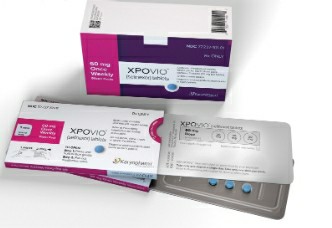
The study results showed that16 patients (51.6%) showed a clear molecular response (DMR), which was defined as a 100-fold reduction in VAF at the end of treatment. In addition, 5 patients (31.3%) showed early molecular response (EMR) after using selinesol alone, which was defined as a 3-fold reduction in VAF on day 15. These findings suggest that selinesol is effective to some extent in inhibiting the growth of leukemia cells.
In addition, the study also observed differential responses toXPO1 inhibition both with chemotherapy alone and with conventional chemotherapy. Particularly through single-cell RNA sequencing technology, it is possible for researchers to identify biomarkers that predict specific subtypes of response. The application of this technology may provide new ideas for future personalized treatments.
In the later stages of treatment, two patients achieved this by the end of treatmentEMR, but not DMR. Meanwhile, two patients achieved DMR but failed to provide samples on day 15 for some reason. For patients treated with DMR alone, the team observed several leukemia drivers, including NUP98::ZFX, RUNX1::RUNX1T1, CBFB:MYH11, KMT2A::MLLT3, and KMT2A:MLLT1. Among non-responding patients, no acquired XPO1 mutations were found. This finding also provides important clues for understanding the response mechanisms of different patients.
In conclusion,The SELHEM study brings new hope to pediatric patients with relapsed or refractory acute myeloid leukemia. With in-depth research on the XPO1 inhibition mechanism, more targeted treatment options may be developed in the future to improve the survival rate of childhood leukemia patients. In addition, the research team emphasized that the application of single-cell RNA sequencing will help reveal the differences in responses of different leukemia subtypes and provide scientific basis for clinical treatment.
Reference materials:https://www.oncologynurseadvisor.com/reports/xpo1-inhibition-selinexor-acute-myeloid-leukemia-pediatric-patients-treatment/
[ 免责声明 ] 本页面内容来自公开渠道(如FDA官网、Drugs官网、原研药厂官网等),仅供持有医疗专业资质的人员用于医学药学研究参考,不构成任何治疗建议或药品推荐。所涉药品可能未在中国大陆获批上市,不适用于中国境内销售和使用。如需治疗,请咨询正规医疗机构。本站不提供药品销售或代购服务。


