
.jpeg)
What is the specific effect of Mitotane in treating tumor diseases?
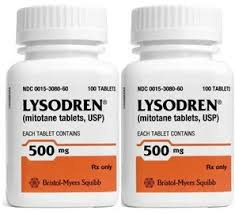
Mitotane (Mitotane) is a special adrenocortical cytotoxic drug mainly used to treat adrenocortical carcinoma (ACC), which is a rare but highly malignant tumor. Due to the low incidence and difficulty of treatment of adrenocortical cancer, mitotane, as one of the few effective drugs currently, plays an important clinical role. This article will introduce in detail the effect and clinical significance of mitotane in the treatment of tumor diseases, especially adrenocortical cancer.
1. Pharmacological mechanism of action of mitotane
Mitotane is a synthetic tumoricidal agent that selectively destroys adrenocortical cells. It causes apoptosis and necrosis of adrenocortical cells by interfering with mitochondrial function and affecting adrenal hormone synthesis. Its unique mechanism of action allows mitotane to target and destroy malignant adrenocortical cells, while inhibiting excessive hormone secretion by tumors and alleviating related symptoms. Mitotane also has a long half-life, obvious accumulation properties in the body, and continues to act on the adrenal gland and tumor cells.
2. Therapeutic effect and clinical application
Mitotane is mainly used in patients with adrenocortical cancer that cannot be completely removed by surgery or has metastasized. Clinical data show that mitotane can effectively prolong the progression-free survival and overall survival of patients. Some patients have significantly reduced tumor size or even achieved partial remission after receiving mitotane treatment. The use of mitotane can also help control the symptoms of Cushing's syndrome caused by excessive hormone secretion in patients with adrenocortical cancer and improve the patient's quality of life.
However, the therapeutic effect of mitotane varies among individuals, and some patients may be less sensitive to the drug and have limited effect. In addition, mitotane has limited efficacy as a single treatment. It is usually recommended to combine surgical resection and chemotherapy to improve the success rate of treatment. In recent years, mitotane combined with other chemotherapy drugs such as etoposide and cisplatin has gradually been widely used in clinical practice, showing better efficacy.
3. Adverse reactions and management
Although mitotane is effective, the side effects cannot be ignored. Common adverse reactions include gastrointestinal symptoms (such as nausea, vomiting, diarrhea), neurological symptoms (such as headache, dizziness, ataxia), and adrenal insufficiency. Because mitotane suppresses adrenal function, patients may develop adrenocortical hormone deficiency and require supplemental hormone replacement therapy. During treatment, liver and kidney function, electrolyte levels, and hormone indicators need to be monitored regularly, and the treatment plan should be adjusted in a timely manner to avoid serious toxic and side effects.
4. Treatment Challenges and Future Prospects
Although mitotane has made positive progress in the treatment of adrenocortical cancer, it still faces several challenges. First, due to the rarity of this disease, clinical research samples are limited and there is a lack of large-scale, high-quality randomized controlled trial data. Secondly, the pharmacokinetics of mitotane are complex, and the balance between body accumulation and therapeutic dose is difficult to control, requiring strict blood concentration monitoring. In addition, the treatment cycle of mitotane is long, and patient compliance and tolerance are important factors affecting the efficacy.
In the future, with the development of molecular targeted therapy and immunotherapy, new drugs may appear in combination with mitotane to further improve the therapeutic effect of adrenocortical cancer. At the same time, the promotion of precision medicine and personalized treatment strategies will help doctors optimize the use of mitotane based on the patient's genes and tumor characteristics, maximize its efficacy and reduce the risk of side effects.
In summary, mitotane, as the core drug in the treatment of adrenocortical cancer, plays a key role in prolonging patient survival and improving symptoms by virtue of its unique mechanism of selectively killing adrenocortical cells. Although there are certain side effects and treatment difficulties, combined with comprehensive treatment and close monitoring, mitotane is still an indispensable and important drug in the current treatment of adrenocortical cancer. In the future, with the advancement of medical technology, the application prospects of mitotane will be broader, bringing better treatment options and survival hope to patients.
Reference materials:https://go.drugbank.com/drugs/DB00648
[ 免责声明 ] 本页面内容来自公开渠道(如FDA官网、Drugs官网、原研药厂官网等),仅供持有医疗专业资质的人员用于医学药学研究参考,不构成任何治疗建议或药品推荐。所涉药品可能未在中国大陆获批上市,不适用于中国境内销售和使用。如需治疗,请咨询正规医疗机构。本站不提供药品销售或代购服务。


