
.jpeg)
Which patients have contraindications to ivosidenib?
Ivosidenib is an oral small molecule inhibitor that targets IDH1 gene mutations. It is mainly used to treat patients with acute myeloid leukemia (AML) who carry IDH1 mutations. Although avosidenib offers patients a new treatment option, not all patients are candidates for the drug. This article will introduce in detail the contraindications and related precautions when taking ivonib, to help clinicians and patients better understand the safe dosage range of the drug and ensure the effectiveness and safety of the treatment.
1. Overview of the mechanism of action and scope of application of ivonib
Avosidenib specifically inhibits the activity of IDH1 mutant enzyme and blocks abnormal metabolism of tumor cells, thereby inhibiting the growth and differentiation of tumor cells. It is suitable for patients with acute myeloid leukemia who carry IDH1 mutations. Clinical trials have shown that the drug can significantly extend the progression-free survival and overall survival rate of patients and is well tolerated. However, individual differences and underlying disease status of patients will affect the safe use of drugs, so it is particularly important to clarify contraindications.
2. Contraindications 1: People allergic to ivonib and its ingredients
Allergic reactions to any drug are a primary concern for safe use. For patients known to be allergic to the active ingredient of ivonib or any excipients in the formulation, use of this drug may cause severe allergic reactions, including rash, dyspnea, angioedema, etc. Therefore, these patients are clearly listed as contraindications for ivonib. Before taking medication, patients should be asked about their allergic history in detail, and relevant allergy tests should be performed if necessary to prevent the occurrence of serious adverse events.
3. Contraindications 2: Use with caution in patients with severe liver function impairment
Ivonib is mainly metabolized by the liver, and the drug clearance rate in patients with hepatic insufficiency is reduced, which may lead to an increase in blood drug concentration and increase the risk of toxicity. Especially for patients with severe liver dysfunction, their body metabolism is disordered, and drug accumulation may increase the burden on the liver and worsen liver damage. Therefore, patients with severe liver function impairment should use ivonib with caution or avoid using it. Liver function tests need to be performed before treatment, and liver function indicators should be closely monitored during medication.
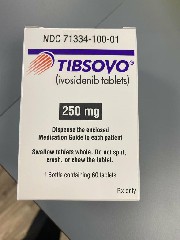
4. Contraindications 3: Contraindicated for pregnant and lactating women
The safety of ivonib to fetuses and newborns has not yet been determined, and animal experiments have shown that there is a certain risk of reproductive toxicity and developmental toxicity. The use of ivonib by pregnant women may cause fetal malformation or miscarriage, so this drug is expressly contraindicated by pregnant women. In addition, lactating women who take this drug may pass it to their babies through breast milk, which poses potential safety risks. Therefore, lactating women are advised to stop breastfeeding or avoid taking the drug. During treatment, women of childbearing age should take effective contraceptive measures to prevent pregnancy.
5. Contraindications 4: Patients with severe heart disease should be cautious
Clinical studies have found that ivonib may cause cardiac-related adverse reactions, such as prolongation of the QT interval and increased risk of serious arrhythmias. For patients with a history of serious heart disease, such as arrhythmia, heart failure or previous myocardial infarction, the use of ivonib needs to be carefully considered and must be done under cardiac monitoring, with regular monitoring of electrocardiogram and electrolyte levels to ensure medication safety.
6. Other taboos and warnings that need attention
In addition to the above contraindications, if patients have severe infection, low immune function or multiple comorbidities, they should also use ivonib with caution under the guidance of a doctor. Medications may interact with other treatments, affecting efficacy or increasing side effects. Especially when coadministered with potent CYP3A4 inhibitors or inducers, the dose should be adjusted or coadministration should be avoided. In addition, if patients experience serious adverse reactions during medication, the medication should be discontinued in time and treated accordingly.
Avosidenib, as an important drug for the treatment ofIDH1 mutant acute myeloid leukemia, has brought new hope to many patients, but its use must strictly comply with the contraindications. People who are allergic to ivonib and its ingredients, patients with severe liver damage, pregnant and lactating women, and patients with severe heart disease should avoid or use this drug with caution. Clinically, doctors should comprehensively assess the patient's physical condition and past medical history, formulate a reasonable treatment plan, dynamically monitor the efficacy and safety, ensure the patient's medication safety to the greatest extent, and maximize the therapeutic effect of ivonib. Patients should also actively cooperate with doctors’ guidance and provide timely feedback on medication responses, so as to jointly promote effective disease control and improvement of quality of life.
Reference link:https://www.tibsovo.com/
[ 免责声明 ] 本页面内容来自公开渠道(如FDA官网、Drugs官网、原研药厂官网等),仅供持有医疗专业资质的人员用于医学药学研究参考,不构成任何治疗建议或药品推荐。所涉药品可能未在中国大陆获批上市,不适用于中国境内销售和使用。如需治疗,请咨询正规医疗机构。本站不提供药品销售或代购服务。


