
.jpeg)
Which treatment is more effective, Seladelpar or obeticholic acid?
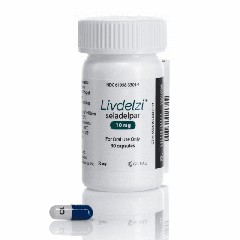
Seladelpar and obeticholic acid (Obeticholic acid) are new drugs used to treat primary biliary cholangitis (PBC). They are not hormone drugs, but highly targeted small molecule drugs. Although the two drugs overlap in indications, due to their different mechanisms of action, clinical efficacy, adverse reactions and long-term use effects, comprehensive evaluation is required in specific treatment selection. The following will compare and analyze the therapeutic effects of the two from multiple aspects to help patients and doctors make more appropriate medication decisions.
1. Differences in mechanisms of action
Siladepa is a selectivePPARdelta agonist (peroxisome proliferator-activated receptor delta), which targets bile acid metabolism, anti-inflammatory responses, and fibrotic processes. By activating the PPAR delta pathway, Siladepa can effectively reduce the accumulation of bile acids in the liver, thereby alleviating abnormal liver function caused by cholestasis. In addition, the drug has potential anti-inflammatory and anti-fibrotic effects, which may be more advantageous for patients with a longer course of disease or an inflammatory response.
In contrast, obeticholic acid is a farnesoidX receptor (FXR) agonist. FXRRegulates bile acid synthesis, secretion and absorption in the small intestine. By activating the FXR pathway, obeticholic acid can reduce the production of new bile acids, promote the excretion of bile acids, and reduce the toxicity of bile acids to liver cells. FXR Agonists have shown good ability to reduce alkaline phosphatase (ALP) levels in early studies and are currently the most commonly used second-line drugs after clinical UDCA treatment failure.
2. Comparison of clinical trial data
The representative study of Siladepa is theENHANCE trial, which enrolled UDCA patients with PBC who had poor response or intolerance to UDCA treatment. The results showed that Siladepa could significantly reduce the level of ALP, and the compliance rate was higher than that of the placebo group. At the same time, the levels of liver enzymes (ALT, AST) and GGT were also significantly reduced. More importantly, patients reported significant improvements in itching symptoms, which is why PBCPBCOne of the common but difficult to alleviate symptoms, Siladepa is more effective than obeticholic acid in this regard.
The main evidence for obeticholic acid comes from the POISE study, which shows that UDCA treatment is ineffectiveAmong PBCpatients, the combined use of obeticholic acid can significantly improveALP levels, with approximately46% of patients reaching biochemical standards. However, itching symptoms often worsen after the use of obeticholic acid, which has become a limiting factor in its widespread clinical use. Especially in patients with severe itching symptoms, doctors are often more inclined to choose drugs with fewer side effects, such as Siladepa.
3. Comparison of safety and adverse reactions
Siladepa demonstrated a good safety profile in trials. The most common adverse reactions are mild headache, fatigue, etc. The systemic tolerance is good, the risk of liver enzyme elevation is low, and no serious hepatotoxic events have been observed. This means that Siladepa has the potential to become a long-term treatment option with high patient compliance.
In contrast, obeticholic acid's common side effects include increased itching, elevated lipase, and in severe cases may lead to worsening of liver function, especially in patients with liver function levels Child-Pugh B or C, and should be used with caution or even banned. In addition, obeticholic acid may cause cholesterol metabolism disorders, and blood lipids need to be tested regularly.
4. Applicable groups and clinical application suggestions
In general, Siladepa is more suitable for PBC patients with itching symptoms and poor UDCA effects but with acceptable liver function, especially those who want to improve their quality of life. Obeticholic acid is suitable for patients with significantly elevated ALP but good tolerance, as the standard choice after UDCA treatment failure. Considering the long-term safety, Siladepa may surpass obeticholic acid in its therapeutic status in the future and become a first-line alternative treatment drug.
In summary, both Siladepax and Obeticholic Acid have their own advantages, but judging from the current research data and patient feedback, Siladepax is better than Obeticholic Acid in terms of improving itching, reducing inflammatory indicators and tolerability, and is especially suitable for PBC patients whose quality of life is significantly affected. Obeticholic acid has been widely used in clinical practice and still has important value in specific groups of people. As Siladepa is gradually launched globally and more real-world data is accumulated, its treatment prospects are widely optimistic. In the future, doctors may choose more suitable drugs for precise treatment based on the individual characteristics of patients.
Reference materials:https://www.drugs.com/donanemab.html
[ 免责声明 ] 本页面内容来自公开渠道(如FDA官网、Drugs官网、原研药厂官网等),仅供持有医疗专业资质的人员用于医学药学研究参考,不构成任何治疗建议或药品推荐。所涉药品可能未在中国大陆获批上市,不适用于中国境内销售和使用。如需治疗,请咨询正规医疗机构。本站不提供药品销售或代购服务。


