
.jpeg)
Is Vorasidenib a targeted therapy drug?
Vorasidenib is an oral small molecule drug that clearly belongs to the targeted therapy category. It is mainly designed to target isocitrate dehydrogenase 1 and 2 mutations (IDH1/IDH2 mutations). It is one of the first targeted drugs developed specifically for patients with low-grade gliomas carrying IDH mutations. The core of targeted therapy is to exert an inhibitory effect on specific molecular targets. Voxiranib blocks abnormal tumor metabolism by inhibiting the activity of mutant IDH enzyme, thus delaying the development of the disease. It is highly specific and selective.
At the mechanistic level, mutations in IDH1 or IDH2 can cause cells to produce excessive amounts of 2-Hydroxyglutarate (2-HG), this metabolite can interfere with the normal cell differentiation process and is an important factor leading to the occurrence and progression of some gliomas. Vorsidenib precisely inhibits the activity of these mutant enzymes and reduces 2-HG levels, thereby slowing down the abnormal growth of tumor cells. This mechanism shows that voroxiranib is a typical molecular targeted drug, and its therapeutic effect depends on whether the patient has an IDH gene mutation.
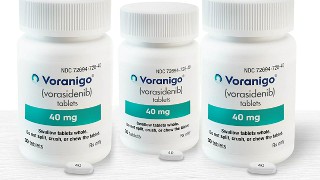
The targeted treatment characteristics of vorsidenib are also reflected in the highly limited population for its use. At present, the drug is mainly used for the treatment of patients with low-grade gliomas with IDH mutations (such as grade 2 or grade 3 gliomas). It is especially suitable for patients whose disease is stable and does not require immediate radiotherapy and chemotherapy. This specific group of people is different from the broad spectrum of traditional chemotherapy drugs, and it also reflects the characteristics of "precision medicine" of targeted therapy, that is, "providing precise treatment to those in need."
To sum up, vorsidenib not only meets the definition of a targeted therapy drug in terms of pharmacological mechanism, but also shows the advantages of targeted therapy in terms of clinical positioning and therapeutic effect. It provides a new treatment option with low toxicity and long-term oral administration for patients with IDHmutant glioma, and is an important part of modern precision tumor treatment. As more research data accumulates, vorsidenib is expected to become one of the new standards in the management of IDH mutation-related brain tumors.
Reference materials:https://www.drugs.com/donanemab.html
[ 免责声明 ] 本页面内容来自公开渠道(如FDA官网、Drugs官网、原研药厂官网等),仅供持有医疗专业资质的人员用于医学药学研究参考,不构成任何治疗建议或药品推荐。所涉药品可能未在中国大陆获批上市,不适用于中国境内销售和使用。如需治疗,请咨询正规医疗机构。本站不提供药品销售或代购服务。


