
.jpeg)
What diseases does Daprodustat tablets mainly treat and the evaluation of its therapeutic effect?
Daprodustat (Daprodustat) is an oral hypoxia-inducible factor prolyl hydroxylase inhibitor (HIF-PHI), developed by GlaxoSmithKline (GSK). It is mainly used to treat anemia caused by patients with chronic kidney disease. This drug promotes the production of endogenous erythropoietin (EPO) by simulating a hypoxic environment, thereby stimulating red blood cell production and improving renal anemia. This article will conduct a comprehensive analysis and evaluation around the indications, mechanism of action, clinical efficacy and safety of daprostat tablets.
1. Main indications: Anemia related to chronic kidney disease
Daprostat tablets are currently mainly used to treat anemia caused by non-dialysis and dialysis chronic kidney disease (CKD) patients. Renal anemia is one of the most common complications in patients with chronic renal insufficiency. It is mainly due to the inability of the kidneys to secrete enough erythropoietin (EPO) normally, resulting in reduced red blood cell production, resulting in symptoms such as fatigue, palpitations, and dyspnea, which seriously affects the patient's quality of life. The traditional treatment method is to inject exogenous EPO, but this type of treatment has problems such as high dose dependence and increased risk of cardiovascular events. The oral advantages and endogenous mechanism of daprostat provide a new treatment option.
2. Pharmacological mechanism: simulate hypoxic environment and stimulate endogenous hematopoiesis
Daprostat inhibits HIF-prolyl hydroxylase, making the HIF-α subunit less susceptible to degradation in cells, promoting its accumulation in the nucleus, and combining with HIF-β to form heterodimers and activate downstream transcription factors. These transcription factors promote the expression of erythropoietin (EPO), iron metabolism-related proteins (such as transferrin), and other hematopoietic factors. Simply put, dapoxostat simulates a hypoxic state, induces the body's own production of EPO, and enhances the utilization efficiency of iron, thereby increasing hemoglobin levels and improving anemia.
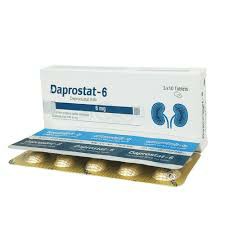
3. Clinical efficacy: Multiple studies support significant improvement in anemia symptoms
In multiple III clinical studies, the effect of daprostat in improving anemia in CKD patients has been widely verified. For example, in a study including non-dialysis patients in Japan, daporostat significantly increased patients' hemoglobin levels over 12 weeks, with efficacy similar to that of injectable EPO.Comparable, and the incidence of adverse reactions is low. Another clinical study in dialysis patients found that daplestat was not only effective in maintaining target hemoglobin levels but also had less impact on blood pressure and cardiovascular system during treatment.
It is worth noting that daplestat also shows certain advantages in iron metabolism. Traditional injections of EPO often require the use of iron supplements. Daprostat can improve the absorption and utilization of iron, reduce dependence on exogenous iron supplements, and reduce the burden of treatment. Overall, daprostat shows good therapeutic potential in terms of onset of action, hemoglobin stability, and long-term efficacy.
4. Safety and medication advantages
Daprostat, as an oral drug, has obvious medication convenience and higher patient compliance than traditional injectable EPO. It is especially suitable for non-dialysis patients and patients with long-term outpatient management. From a safety perspective, clinical studies have shown that the adverse reactions of daprostat are generally controllable, mainly including hypertension, gastrointestinal discomfort, headache and fatigue, and serious cardiovascular events are rare. In addition, daporostat is less likely to cause excessive red blood cell production and reduces the risk of thrombosis caused by a high viscosity state, which is particularly important in long-term treatment.
In terms of pharmacokinetics, daporostat has good oral bioavailability, rapid onset of action, moderate half-life, and can be administered once daily orally. For patients who are inconvenient for frequent injections, this medication method greatly improves convenience and quality of life. In addition, because it affects erythropoiesis by activating endogenous mechanisms, it is more in line with physiological laws and potentially reduces the risk of side effects caused by high doses of EPO.
Daprostat tablets are a new type of HIF-PHI anemia treatment drug. It is specially designed for anemia caused by chronic kidney disease and is suitable for dialysis and non-dialysis patients. Its core advantage is to simulate a hypoxic environment, stimulate the natural EPO production mechanism in the body, improve anemia and increase iron metabolism efficiency. Clinical studies support that it has equivalent or even superior efficacy to traditional EPO injections, with higher compliance and fewer side effects. In the future, with the accumulation of more clinical data and support from medical insurance policies, daprostat is expected to become one of the preferred options for the treatment of anemia in chronic kidney disease, further improving patients' quality of life and reducing treatment burden. For patients who are currently undergoing or will soon receive treatment for renal anemia, daprostat provides a new treatment option that is safer, more convenient and more effective.
Reference materials:https://en.wikipedia.org/wiki/Daprodustat
[ 免责声明 ] 本页面内容来自公开渠道(如FDA官网、Drugs官网、原研药厂官网等),仅供持有医疗专业资质的人员用于医学药学研究参考,不构成任何治疗建议或药品推荐。所涉药品可能未在中国大陆获批上市,不适用于中国境内销售和使用。如需治疗,请咨询正规医疗机构。本站不提供药品销售或代购服务。


