
.jpeg)
A detailed introduction to the targets and targeting mechanisms of Cemiplimab
First of all, the main target of cimepilimab is PD-1 (Programmed cell death protein 1), which is a co-inhibitory receptor expressed on the surface of T cells. PD-1 plays a "brake" role in normal immune regulation. When it binds to its ligand PD-L1 or PD-L2, it inhibits the activity of T cells, thereby preventing the immune system from overreacting and avoiding the occurrence of autoimmune diseases. However, in a cancer environment, tumor cells often overexpress PD-L1 and bind to PD-1 on T cells, thus "turning off" the attack function of T cells and helping tumors escape elimination by the immune system.
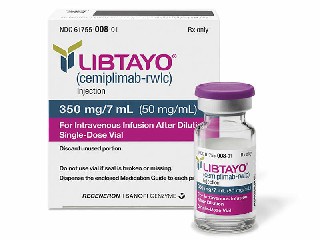
Furthermore, a feature of cimepilimab in the field of immunotherapy is its good affinity and long half-life. Compared with other PD-1 antibodies (such as nivolumab and pembrolizumab), cimepilimab has shown unique efficacy advantages in certain patient groups, such as for locally advanced or metastatic cutaneous squamous cell carcinoma, and is the first PD-1 monoclonal antibody approved by the FDA for this indication. Its research in multiple tumor types such as lung cancer and cervical cancer has also made positive progress, showing good immune response rates and tolerability.
Reference: https://www.libtayohcp.com/
[ 免责声明 ] 本页面内容来自公开渠道(如FDA官网、Drugs官网、原研药厂官网等),仅供持有医疗专业资质的人员用于医学药学研究参考,不构成任何治疗建议或药品推荐。所涉药品可能未在中国大陆获批上市,不适用于中国境内销售和使用。如需治疗,请咨询正规医疗机构。本站不提供药品销售或代购服务。


