
.jpeg)
Is the clinical effect of Ribociclib significant? What is the user feedback?
Ribociclib is a selective cyclin-dependent kinase 4 and 6 (CDK4/6) inhibitor. The preparation is mainly used to treat advanced or metastatic breast cancer that is hormone receptor positive (HR+) and human epidermal growth factor receptor 2 negative (HER2-). Since its launch, ribociclib has attracted the attention of many patients and clinicians due to its unique mechanism of action and good clinical effects. This article will comprehensively analyze the clinical performance and user experience of Riboxiclib from the aspects of clinical efficacy, patient feedback, adverse reactions, and user experience.
Judging from clinical trial data, Riboxiclib combined with endocrine therapy (such as letrozole or fulvestrant) has shown significant efficacy in the treatment of HR+/HER2- advanced breast cancer patients. The large-scale Phase III clinical study MONALEESA series shows that Riboxiclib can significantly extend the progression-free survival (PFS) of patients. Compared with endocrine therapy alone, the time for patients to stabilize their condition is significantly longer and their quality of life is effectively improved. For example, in the MONALEESA-2 study, treatment with ribociclib combined with letrozole increased the median progression-free survival to 25.3 months, while the letrozole alone group was only about 16 months, with a significant improvement in efficacy. This data fully demonstrates the advantages of ribociclib in delaying the progression of breast cancer.
Feedback from patients is generally positive. Many patients reported that after taking Riboxil, their disease control was significantly improved compared to before, their symptoms were relieved, and their quality of life was improved. Because Riboxiclib is an oral drug, it is easy to take and is used in conjunction with endocrine therapy. Patients can better adhere to treatment and reduce the frequent hospital infusions and side effects caused by traditional chemotherapy. In addition, some patients said that Riboxil helped them delay the recurrence or metastasis of the disease, allowing them to enjoy a longer period of stability, which is of great significance to patients with advanced breast cancer.
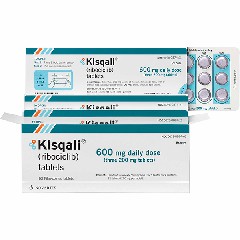
Riboxiclib also has certain adverse reactions during use, which is also a concern in patient feedback. Common side effects include neutropenia, abnormal liver function, fatigue, nausea, and headache. Some patients experience fluctuations in blood indicators in the early stages of treatment and require regular review of blood routine and liver function to ensure medication safety. Although most side effects are manageable and can be alleviated by dose adjustment or symptomatic treatment, some patients may still experience discomfort. Patients generally recommend that they should closely cooperate with the doctor during the treatment process, conduct regular reviews, and provide timely feedback on physical changes so that the doctor can adjust the treatment plan in a timely manner.
Riboxil’s price and medical insurance coverage also affect patients’ experience. As an innovative targeted drug, the price of Riboxiclib is relatively high, and some patients face certain financial pressure. Some areas in the country have included Riboxil into the scope of medical insurance reimbursement, which has greatly eased the burden on patients. However, in the absence of comprehensive medical insurance coverage, patients still have to bear large costs themselves. Price factors have become an important consideration for some patients when choosing or adhering to treatment. How to achieve popularization and affordability of drugs is still a difficult problem that needs to be solved in the future.
In summary, Riboxiclib, as a CDK4/6 inhibitor, has shown significant clinical effects in the treatment of HR+/HER2- advanced breast cancer, extending the progression-free survival of patients and improving their quality of life. Most patients gave positive feedback and believed that the drug brought practical therapeutic benefits, but it also had certain side effects and financial burdens. With the deepening of clinical application and the improvement of medical insurance policies, it is expected that Riboxiclib will play a greater role in breast cancer patients and help more patients achieve effective disease control and improve their quality of life. Patients should closely cooperate with their doctors during use, reasonably evaluate the efficacy and risks, and formulate personalized treatment plans to achieve the best treatment results.
Reference materials:https://us.kisqali.com/
[ 免责声明 ] 本页面内容来自公开渠道(如FDA官网、Drugs官网、原研药厂官网等),仅供持有医疗专业资质的人员用于医学药学研究参考,不构成任何治疗建议或药品推荐。所涉药品可能未在中国大陆获批上市,不适用于中国境内销售和使用。如需治疗,请咨询正规医疗机构。本站不提供药品销售或代购服务。


