
.jpeg)
How many pills of tofacitinib should be taken a day?
Tofacitinib is an oral JAK inhibitor widely used to treat autoimmune diseases such as rheumatoid arthritis, psoriatic arthritis and ulcerative colitis. The recommended dosage varies slightly depending on the indication. For most patients with rheumatoid arthritis and psoriatic arthritis, the usual recommended dose is 5 mg twice daily, one tablet in the morning and one in the evening. Some patients may use extended-release dosage forms (e.g. 11mgonce daily) and only need to take it once a day. This usage is designed to maintain the stability of the drug's blood concentration and continuously inhibit the inflammatory response.
For patients with moderate to severe ulcerative colitis, the starting dose is usually 10mg twice a day for 8 weeks. After that, if the disease is well controlled, the doctor may adjust the dose to 5mg twice a day to maintain the effect. It should be noted that the 10mg dose is relatively high, and the risk of side effects also increases. Therefore, when using this dose, doctors will closely observe the patient's liver and kidney function, blood routine, infection risk and other indicators to ensure the safety of medication. During the entire treatment process, the dosage setting and adjustment must be carried out under the guidance of a doctor. Do not increase or decrease the dosage on your own.
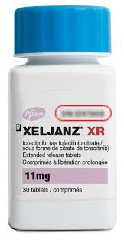
The current common specifications of tofacitinib are 5mg/ tablets and 11mg sustained-release tablets. Therefore, how many "tablets" should be taken every day depends on the dosage prescribed by the doctor and the specifications of the drug. For example, if a patient is prescribed a regular regimen of 5mg twice daily, then he would need to take 2 capsules
As an immunomodulator, long-term use of tofacitinib may cause risks such as infection, elevated blood lipids, abnormal liver enzymes and even thrombosis. Therefore, even if the dose is one to two pills per day, the importance of regular review cannot be ignored. If patients develop abnormal symptoms such as fever, cough, diarrhea or rash while taking the medicine, they should seek medical attention promptly to evaluate whether it is related to the medicine. For older adults or those with underlying medical conditions, doctors may reduce the dose appropriately based on risk. Therefore, the reasonable number of pills to take not only depends on the drug specifications, but also must be based on individualized medical evaluation to ensure both therapeutic effect and medication safety.
Reference materials:https://www.xeljanz.com/
[ 免责声明 ] 本页面内容来自公开渠道(如FDA官网、Drugs官网、原研药厂官网等),仅供持有医疗专业资质的人员用于医学药学研究参考,不构成任何治疗建议或药品推荐。所涉药品可能未在中国大陆获批上市,不适用于中国境内销售和使用。如需治疗,请咨询正规医疗机构。本站不提供药品销售或代购服务。


