
.jpeg)
What is the difference between Erlotinib and Gefitinib? Which one is better?
As lung cancer treatment enters the targeted era, EGFRtyrosine kinase inhibitors (EGFR-TKI) have become a key treatment option for patients with non-small cell lung cancer (NSCLC). Among them, erlotinib (Erlotinib) and gefitinib (Gefitinib), as the first generation EGFR-TKI drugs, have accumulated a lot of experience in clinical use. Many patients are concerned about the differences between these two drugs and which one is more effective. The following will conduct a comprehensive comparison in terms of drug mechanism, indications, efficacy, safety, price, etc. to help patients make scientific choices.
1. Drug background and mechanism of action
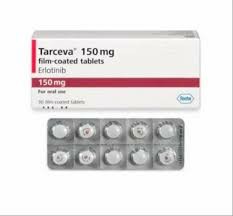
Gefitinib is the first EGFR-TKI to be marketed. It was developed by AstraZeneca. It was first approved for marketing in Japan in 2003 and was subsequently used in the Chinese market. Erlotinib was developed by Roche and was approved in the United States in 2004 and is also widely used in China. Both inhibit the tyrosine kinase activity of epidermal growth factor receptor (EGFR) and block signal transduction, thereby inhibiting the growth and spread of cancer cells. They are suitable for EGFR sensitive mutations (such as Exon 19 deletion or Exon 21 L858R mutation)-positive non-small cell lung cancer patients.
Although the mechanisms of action of the two are similar, there are still subtle differences in molecular structure and metabolic pathways, resulting in differences in efficacy, tolerance and individual responses.
2. Comparison of indications and efficacy
1. Indications:
Both are mainly used for first-line treatment of patients with advanced EGFR mutation-positive non-small cell lung cancer (NSCLC). They can also be used for second-line treatment after disease progression, especially when patients are intolerant to chemotherapy or have poor efficacy. Gefitinib and erlotinib inEGFR Both are effective in patients with deletions or 21 point mutations, but individual studies have shown that gefitinib is slightly better in patients with 19 deletions, while erlotinib has certain advantages in patients with 21 point mutations.
2. Difference in efficacy:
Judging from clinical data, the two are relatively close in extending progression-free survival (PFS). IPASS, OPTIMAL, ENSURE, etc. Multiple large studies have shown that gefitinib and erlotinib have good efficacy in Asian populations, with median PFS ranging from 9 to 13 months. However, some studies have shown that erlotinib is slightly better in terms of stable lesion control time and is more effective in some patients with central nervous system metastases. It should be noted that the efficacy is also affected by various factors such as individual genetic background, smoking history, gender and tumor load.
3. Side effects and tolerance
Although both belong to the first generationEGFR-TKI, they have different side effects:
Gefitinib: Common side effects include rash, diarrhea, abnormal liver function, etc. Among them, hepatotoxicity is more common, and some patients need to monitor liver enzyme levels after long-term use. The overall tolerance is good and suitable for the elderly or those with weak constitution.
Erlotinib: Common side effects also include rash and diarrhea, but the more significant ones are skin toxic reactions (such as dryness, itching, acne-like rashes), which are also regarded as a kind of "biomarker" of drug efficacy in clinical practice. Erlotinib has slightly stronger gastrointestinal reactions, and the dose needs to be adjusted according to the patient's tolerance or combined with other drugs to control adverse reactions.
In general, gefitinib has milder side effects and is better tolerated; while erlotinib is slightly more effective, but its side effects require more monitoring.
4. Price and accessibility
In the domestic market, gefitinib has long been included in medical insurance, and there are domestically produced generic drugs (such as Ireco, Iressa, etc.). The monthly cost is about 200-800 yuan (after medical insurance reimbursement), and the patient burden is relatively light. Erlotinib has also been included in medical insurance, but the price is slightly higher than gefitinib, with a monthly cost of around 800-1,200 yuan (the price after medical insurance varies by region).
In addition, both have relatively mature policies for generic drugs and drug donations, and patients can learn more about assistance methods through public welfare channels of hospitals or pharmaceutical companies.
5. Which one is better? Varies from person to person
Based on comprehensive efficacy, side effects, economic burden and other factors, gefitinib is suitable for patients who want mild side effects and are easy to adhere to for a long time, especially the elderly or those with weak liver function; while erlotinib is more suitable for patients who pursue therapeutic effects and are willing to bear skin or gastrointestinal side effects, especially those with brain metastasis or a higher risk of disease progression.
In addition, if patients develop drug resistance (such as T790M mutation) after using gefitinib or erlotinib, they can also switch to third-generation EGFR-TKI drugs, such as osimertinib (Osimertinib) to achieve more durable disease control.
Erlotinib and gefitinib have their own advantages in the treatment of non-small cell lung cancer, and there is no absolute "who is better". The key lies in the comprehensive consideration of the patient's own genetic mutation type, physical condition, financial ability, and tolerance to drug side effects. It is recommended that after the EGFR mutation status is clarified, professional oncologists evaluate the most appropriate treatment plan and use targeted drugs rationally to improve the quality of life and survival time.
On the road to fighting cancer, every step deserves precise decision-making. Choosing the right medication is a critical step toward long-term control and hope.
Reference:https://en.wikipedia.org/wiki/Erlotinib
[ 免责声明 ] 本页面内容来自公开渠道(如FDA官网、Drugs官网、原研药厂官网等),仅供持有医疗专业资质的人员用于医学药学研究参考,不构成任何治疗建议或药品推荐。所涉药品可能未在中国大陆获批上市,不适用于中国境内销售和使用。如需治疗,请咨询正规医疗机构。本站不提供药品销售或代购服务。


