
.jpeg)
What measures should be taken to deal with the side effects of Platinib?
As a selective RET tyrosine kinase inhibitor, Pralsetinib has been used in many countries to treat RET gene fusion-positive non-small cell lung cancer (NSCLC) and thyroid cancer. However, its clinical application is also accompanied by certain risks of side effects, such as hypertension, abnormal liver function, neutropenia, fatigue, constipation and rash. For these adverse reactions, it is crucial to adopt individualized prevention and response strategies.
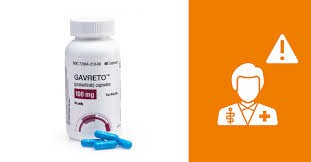
First of all, for common hypertension, blood pressure changes should be closely monitored before and after medication, and antihypertensive drug intervention can be introduced in the early stages to avoid damage to the cardiovascular system caused by long-term uncontrolled blood pressure. For elevated liver enzymes, such as abnormal ALT and AST, liver function tests should be carried out regularly. If the indicators are found to continue to rise, the dose can be adjusted as appropriate or even discontinued for a short period of time. If necessary, hepatoprotective drug treatment can be supplemented. Neutropenia is one of the manifestations of myelosuppression. Once three-lineage reduction occurs, treatment should be stopped immediately and intervention with leukocyte-increasing drugs or growth factor drugs should be carried out. At the same time, infection should be strictly prevented and the blood picture recovery should be closely monitored.
In addition, although fatigue and gastrointestinal symptoms are not serious, they affect the quality of life and can be alleviated by improving diet, moderate exercise, and nutritional support. The rash is usually mild to moderate and can be controlled with antihistamines or topical steroid ointments.
Generally speaking, the side effects of platinib are controllable and most of them are reversible. The key is to establish a complete monitoring and early intervention system during the treatment process, so that patients can obtain anti-cancer efficacy while minimizing the risk of adverse reactions. Communication between doctors and patients is also very critical. Patients need to actively feedback physical changes so that doctors can make timely judgments and adjust treatment strategies to ensure the smooth progress of the entire treatment course.
Reference: https://gavreto.com/
[ 免责声明 ] 本页面内容来自公开渠道(如FDA官网、Drugs官网、原研药厂官网等),仅供持有医疗专业资质的人员用于医学药学研究参考,不构成任何治疗建议或药品推荐。所涉药品可能未在中国大陆获批上市,不适用于中国境内销售和使用。如需治疗,请咨询正规医疗机构。本站不提供药品销售或代购服务。


