
.jpeg)
Detailed mechanism of action analysis of Vigabatrin/vigabatrin drug
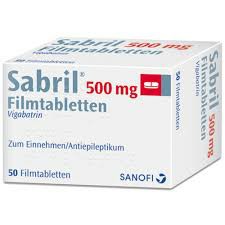
Vigabatrin/vigabatrin is an anti-epileptic drug specially used to treat refractory epilepsy and infantile spasms. Its unique mechanism of action makes it play an important role in the management of some special types of epilepsy. As a drug with a structure similar to GABA, the pharmacological basis of vigabatrin is mainly based on its regulatory effect on the metabolic process of GABA, especially its ability to irreversibly inhibit γ-aminobutyric acid aminotransferase (GABA-T). This mechanism has received widespread attention in both neuroscience research and clinical practice, and has become the core of the drug's unique positioning.
Vigabatrin significantly increases the concentration of GABA in the central nervous system by irreversibly inhibitingGABA transaminase, thereby preventing the breakdown of GABA in neurons and glial cells. GABA is the main inhibitory neurotransmitter in the brain and plays a key role in maintaining the balance between neural excitation and inhibition. In the pathological mechanism of epileptic seizures, there is usually a weakening of GABA-mediated inhibitory function, resulting in uncontrolled excitatory nerve activity and formation of abnormal discharges. By enhancing GABA function, vigabatrin helps stabilize neural activity and inhibit the occurrence and spread of epileptic seizures. Particularly in patients with poor response to conventional antiepileptic drugs, promoting endogenous inhibitory mechanisms has emerged as an alternative strategy for effective seizure control.
It should be pointed out that the duration of the efficacy of vigabatrin is not entirely dependent on its half-life in the body, but is related to the re-synthesis speed of GABA-T enzyme. This means that even if the drug has been degraded in body fluids, the neuromodulatory effect of the drug will still continue because GABA-T is still inhibited. This “mechanism-driven” long-lasting effect provides advantages for clinical use, especially for patients who require stable long-term control of epileptic activity. In addition, this also explains why the effect of the drug may still last for a certain period of time after stopping the drug, but it is also because of this that if side effects (such as visual field defects, etc.) occur during the medication, their duration may also be longer.
From a pharmacokinetic perspective, vigabatrin is rapidly absorbed and has high oral bioavailability, but there is no obvious linear relationship between its plasma concentration and clinical efficacy. This characteristic also limits the feasibility of routine blood concentration monitoring to assess efficacy or guide dose adjustment. In other words, the clinical effect of vigabatrin is more dependent on the degree of inhibition of its target enzyme and individual metabolic differences, rather than simple plasma levels. When clinicians use this drug, they usually focus more on seizure control, patients' subjective responses, and objective neurological assessment rather than routine monitoring of blood drug concentrations.
At the cellular and molecular levels, vigabatrin enhancesGABA concentration not only enhances postsynaptic inhibitory signals, but may also affect neuroplasticity in epileptic focus areas such as the hippocampus and thalamus by changing the activity pattern of neural networks. This has been confirmed in animal model studies, indicating that vigabatrin is not only a symptom control drug, but may also be involved in disease mechanism intervention to a certain extent. However, its excessive activation of the GABA system may also bring certain risks, such as inducing central side effects such as tardive dyskinesia, depression, or cognitive impairment. Therefore, balancing efficacy and safety has become the core point of using vigabatrin.
Reference materials:https://www.sabril.net/
[ 免责声明 ] 本页面内容来自公开渠道(如FDA官网、Drugs官网、原研药厂官网等),仅供持有医疗专业资质的人员用于医学药学研究参考,不构成任何治疗建议或药品推荐。所涉药品可能未在中国大陆获批上市,不适用于中国境内销售和使用。如需治疗,请咨询正规医疗机构。本站不提供药品销售或代购服务。


