
.jpeg)
FDA approves larotinib/larlotinib for NTRK fusion-positive solid tumors
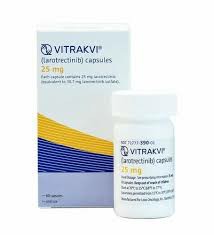
According to an announcement from Bayer (Bayer), the U.S. Food and Drug Administration (FDA) approved larotrectinib For use in adult and pediatric patients with neurotrophic receptor tyrosine kinase (NTRK) gene fusion-positive solid tumors without known acquired resistance mutations, whose tumors are metastatic or where resection would be likely to result in significant morbidity and who have no appropriate alternative treatments or have progressed after treatment.
First oral tropomyosin receptor kinase (TRK) inhibitor demonstrates clinically meaningful and durable responses in several NTRK fusion-positive solid tumors. The approval is based on results from the multicenter, open-label, single-arm clinical trials LOXO-TRK-14001 (NCT02122913), SCOUT (NCT02637687) and NAVIGATE (NCT02576431). Larotrectinib received accelerated approval from the U.S. Food and Drug Administration for the same indication in November 2018. The U.S. Food and Drug Administration's first comprehensive approval of an NTRK inhibitor marks the pinnacle of the Bayer team's research and dedication. This milestone reinforces Bayer's commitment to providing innovative solutions to meet the unique needs of patients and their families.
1. The efficacy of each test
AllThe primary endpoints of the 3 trials were overall response rate (ORR) and duration of response (DOR), as assessed by a blinded independent review committee using RECIST v1.1. The pooled efficacy results from the trials showed an ORR of 60% (95% CI, 55%-65%). The complete response rate (CR) and partial response rate (PR) were 24% and 36% respectively. Among patients who showed CR, 5% showed pathological complete response. Participants who underwent surgical resection with negative margins and no viable tumor cells found on postoperative pathology evaluation experienced CR as long as no other sites of disease were detected. The median DOR for patients taking larotrectinib was 43.3 months (95% CI, 32.5 not evaluable [NE]).
2. Safety of larotrectinib
Across the trial, the safety of larotrectinib was evaluated in 444 patients. The most common adverse events, including laboratory abnormalities, occurred in at least 20% of patients taking larotrectinib (AEs) included increased AST (62%), increased ALT (61%), anemia (45%), hypoalbuminemia (44%), musculoskeletal pain (41%), increased alkaline phosphatase (40%), leukopenia (37%), lymphopenia (35%), neutrophils Reduction (34%), hypocalcemia (32%), fatigue (31%), vomiting (30%), cough (29%), constipation (27%), fever (26%), diarrhea (26%), nausea (25%), abdominal pain (24%), dizziness (22%) and rash (21%). Serious adverse events included central nervous system problems, fractures and liver problems.
3. More information about larotrectinib
Larotrectinib is designed to inhibit the TRK protein family, which includes TRKA, TRKB and TRKC. In in vitro and in vivo tumor models, the inhibitor showed antitumor activity in cells with overexpression of TRK protein, constitutive activation of TRK protein due to gene fusion, or deletion of the regulatory domain of the protein.
The FDA's full approval of larotrectinib is a welcome development and solidifies its status as a treatment option for patients with NTRK gene fusion-positive cancers. This milestone not only benefits patients today but paves the way for further development of NTRK gene therapies in the future.
Reference materials:https://www.oncnursingnews.com/view/fda-approves-larotrectinib-for-ntrk-fusion-positive-solid-tumors
[ 免责声明 ] 本页面内容来自公开渠道(如FDA官网、Drugs官网、原研药厂官网等),仅供持有医疗专业资质的人员用于医学药学研究参考,不构成任何治疗建议或药品推荐。所涉药品可能未在中国大陆获批上市,不适用于中国境内销售和使用。如需治疗,请咨询正规医疗机构。本站不提供药品销售或代购服务。


