
.jpeg)
What effects does capmatinib have on the body after stopping the drug?
Capmatinib is a selective MET tyrosine kinase inhibitor that is widely used to treat patients with advanced non-small cell lung cancer (NSCLC) carrying MET gene mutations (especially exon 14 skipping mutations). When taken, it produces therapeutic effects by inhibiting the growth and spread of tumor cells. However, once the patient stops taking the medicine midway or stops taking the medicine without the guidance of a doctor, a variety of physical reactions may occur, which requires special attention to monitoring and evaluation.
First, the most direct impact is that tumor diseases may progress rapidly. Since capmatinib is a targeted therapy drug, its mechanism of action relies on continuous inhibition of the MET pathway. Once the drug is discontinued, the originally inhibited cell signaling pathways may become active again, causing cancer cell recurrence or rapid proliferation. Some patients may experience enlargement of imaging lesions or worsening of symptoms within weeks after discontinuing treatment, suggesting disease rebound.
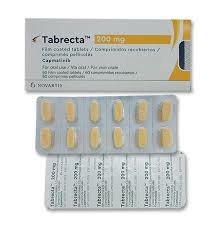
Secondly, some patients may experience "drug withdrawal reactions" during the withdrawal process, such as increased fatigue, recurrence of original cough, shortness of breath and other symptoms. These do not necessarily mean that the side effects of the drug have subsided, but that the pathological state in the body has returned to the pre-treatment level. For such patients, doctors may evaluate whether the treatment plan can be restarted or adjusted to other alternative therapies based on the specific condition.
In addition, sudden discontinuation of capmatinib after long-term use may cause an imbalance in the body's adaptation to the drug. Although there is no obvious withdrawal syndrome like hormonal drugs, the immune microenvironment may be affected, and physical status, appetite and mental state may be affected to some extent. Especially for patients whose metastases are under relatively stable control, the mood swings caused by sudden drug withdrawal may also affect the prognosis of the disease.
In summary, discontinuation of capmatinib has multiple potential effects on the body, including increased risk of tumor progression and fluctuations in overall health status. It is recommended that patients strictly follow the doctor's instructions to stop the medication. If treatment needs to be suspended, they should make gradual adjustments under the guidance of a doctor and cooperate with regular inspections to ensure the safety and continuity of treatment.
Reference materials:https://www.drugs.com/mtm/capmatinib.html
[ 免责声明 ] 本页面内容来自公开渠道(如FDA官网、Drugs官网、原研药厂官网等),仅供持有医疗专业资质的人员用于医学药学研究参考,不构成任何治疗建议或药品推荐。所涉药品可能未在中国大陆获批上市,不适用于中国境内销售和使用。如需治疗,请咨询正规医疗机构。本站不提供药品销售或代购服务。


