
.jpeg)
Which type of cholangiocarcinoma is treated with Elafibranor?
Elafibranor (Elafibranor) is an oral drug that stimulates PPARα/δ receptors. It was originally developed to treat non-alcoholic steatohepatitis (NASH). In recent years, it has shown potential in the field of hepatobiliary system tumors, especially in the treatment of cholangiocarcinoma. According to the latest research data, Elafibranor is mainly suitable for cholangiocarcinomas that express abnormal FGF19 signaling pathways or are combined with specific metabolic characteristics. It has certain application prospects especially in patients with intrahepatic cholangiocarcinoma (iCCA).
Currently, Elafibranor is undergoing clinical trials for cholangiocarcinoma indications, focusing on treatment in combination with other drugs. For example, in specific studies, it is used in combination with immunotherapy drugs as a second- or third-line treatment for advanced cholangiocarcinoma. Patients with this type of cholangiocarcinoma often face treatment bottlenecks due to failure of standard chemotherapy (such as gemcitabine combined with cisplatin). Elafibranor can improve the tumor microenvironment and reduce inflammatory response by activating the PPAR pathway, providing a better response basis for subsequent immunotherapy.
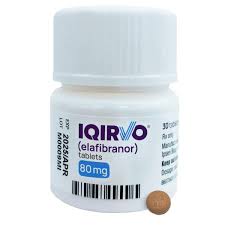
It is important to note that not all patients with cholangiocarcinoma are suitable for useElafibranor. Its therapeutic benefits are currently concentrated in subgroups of patients with metabolic syndrome, cholestatic liver disease or PPAR signal imbalance. Therefore, when considering the use of Elafibranor, doctors need to conduct a comprehensive evaluation based on tumor molecular typing, gene expression profiles and medical history to ensure its suitability and safety.
To summarize, Elafibranor is still in the clinical research stage and has not been officially approved for the treatment of cholangiocarcinoma, but it has shown therapeutic potential in specific subtypes of cholangiocarcinoma (such as metabolic or FGF19abnormal intrahepatic cholangiocarcinoma). Whether it will be widely used in clinical practice in the future depends on more phase III clinical data to verify its efficacy and safety. If patients want to know whether Elafibranor is suitable for it, it is recommended to consult an oncologist and analyze whether they meet the conditions based on the genetic test report.
Reference materials:https://www.drugs.com/seladelpar.html
[ 免责声明 ] 本页面内容来自公开渠道(如FDA官网、Drugs官网、原研药厂官网等),仅供持有医疗专业资质的人员用于医学药学研究参考,不构成任何治疗建议或药品推荐。所涉药品可能未在中国大陆获批上市,不适用于中国境内销售和使用。如需治疗,请咨询正规医疗机构。本站不提供药品销售或代购服务。


