
.jpeg)
Analysis of the two main harms and potential risks of linezolid
Linezolid (Linezolid) is an antibiotic commonly used to treat multidrug-resistant Gram-positive bacterial infections, especially against methicillin-resistant Staphylococcus aureus (MRSA) and vancomycin-resistant enterococci (VRE) infections. However, despite its significant clinical effects, the use of linezolid is also accompanied by certain side effects and potential risks, and two aspects in particular deserve special attention.
First, bone marrow suppression is one of the most important and serious harms of linezolid. Long-term or high-dose use of linezolid may lead to thrombocytopenia, anemia, and leukopenia. In severe cases, it may cause blood system dysfunction and increase the risk of infection and bleeding. Myelosuppression usually begins to appear after more than two weeks of use. Therefore, it is necessary to regularly monitor blood routine clinically, detect abnormalities in blood cell counts in a timely manner, and adjust the dose or discontinue the drug according to the patient's specific conditions.
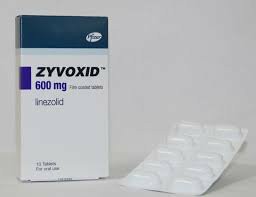
Secondly, another important potential risk of linezolid is neurological toxicity, mainly manifested as peripheral neuropathy and optic neuropathy. Patients may experience numbness, tingling, and decreased sensation in their hands and feet. In severe cases, vision may be affected, and even irreversible nerve damage may occur. This risk is more common in patients who take the drug for a longer period of time, especially if the treatment period exceeds 28 days. In order to prevent the occurrence of neurotoxicity, doctors generally recommend shortening the medication time as much as possible and closely observing the patient's neurological symptoms during treatment.
In addition to the two main harms mentioned above, linezolid may also cause other adverse reactions such as lactic acidosis and blood pressure fluctuations, especially in patients with renal insufficiency or combined medications. The risk is higher. Therefore, the use of linezolid must be carried out under the strict guidance of doctors, with a reasonable assessment of the pros and cons, and close monitoring of the patient's blood indicators and neurological function to ensure the safety and effectiveness of the treatment.
In summary, although linezolid is an effective drug against drug-resistant bacterial infections, bone marrow suppression and nervous system toxicity are the two main harms that must be prevented during its use. Through scientific and reasonable medication management and close monitoring, these risks can be minimized and safe and efficient treatment can be provided to patients.
Reference materials:https://go.drugbank.com/drugs/DB00601
[ 免责声明 ] 本页面内容来自公开渠道(如FDA官网、Drugs官网、原研药厂官网等),仅供持有医疗专业资质的人员用于医学药学研究参考,不构成任何治疗建议或药品推荐。所涉药品可能未在中国大陆获批上市,不适用于中国境内销售和使用。如需治疗,请咨询正规医疗机构。本站不提供药品销售或代购服务。


