
.jpeg)
How toxic is cycloserine and what effects does it have on the body?
Cycloserine (Cycloserine) is a broad-spectrum anti-tuberculosis drug mainly used for the treatment of multi-drug-resistant tuberculosis. Although it plays an important role in anti-tuberculosis treatment, cycloserine is relatively toxic and has a significant impact on the central nervous system, so strict monitoring and careful medication are required in clinical use.
The greatest toxicity of cycloserine is manifested by adverse effects on the nervous system. Patients may experience headache, dizziness, insomnia, anxiety, depression and even psychotic symptoms such as hallucinations, delusions and disturbance of consciousness after use. These central nervous system symptoms are mainly related to cycloserine's interference with the balance of neurotransmitters. In severe cases, they may lead to abnormal behavior and even an increased risk of suicide. Therefore, special caution is needed when using it, especially in patients with a history of mental illness.
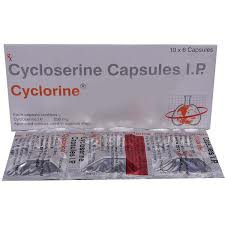
Cycloserine may also cause peripheral neuropathy, which manifests as numbness, tingling, and muscle weakness in the extremities. This type of neuropathy is caused by toxic damage to the myelin sheath of the nerves, and the risk is greater with long-term use of high doses. If patients experience the above symptoms, they should inform their doctor in time so that the dose can be adjusted or symptomatic treatment can be taken to prevent worsening of nerve damage.
Cycloserine may also cause other systemic adverse reactions, such as liver damage and allergic reactions. The liver, as the main organ for drug metabolism, may be damaged due to drug burden, manifested by elevated transaminases. Allergic reactions may include rash, fever and other symptoms, and in rare cases severe anaphylactic shock may occur. In view of these toxicities, the use of cycloserine must be under the guidance of a professional physician, and relevant indicators must be monitored regularly.
In short, cycloserine is highly toxic, especially has a significant impact on the central nervous system and peripheral nerves, and may lead to severe neuropsychiatric symptoms and neuropathy. Clinically, its therapeutic value and toxicity risks should be weighed, medication plans should be formulated rationally, and patient conditions should be strictly monitored to ensure medication safety.
Reference:https://en.wikipedia.org/wiki/Cycloserine
[ 免责声明 ] 本页面内容来自公开渠道(如FDA官网、Drugs官网、原研药厂官网等),仅供持有医疗专业资质的人员用于医学药学研究参考,不构成任何治疗建议或药品推荐。所涉药品可能未在中国大陆获批上市,不适用于中国境内销售和使用。如需治疗,请咨询正规医疗机构。本站不提供药品销售或代购服务。


