
.jpeg)
Summary of symptoms that may occur after long-term use of tofacitinib for six years
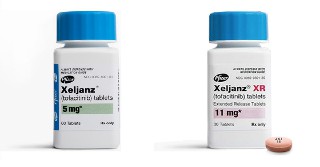
After six years of long-term use of tofacitinib (Tofacitinib), patients may face a range of potential health risks and symptoms. Tofacitinib is an oral, small molecule Janus kinase (JAK) inhibitor widely used to treat immune-mediated diseases such as rheumatoid arthritis, psoriatic arthritis and ulcerative colitis. Due to its immunomodulatory effects, long-term use may cause immune system-related side effects, requiring close attention by patients and physicians.
Long-term use of tofacitinib may cause immune function suppression, making patients more susceptible to various pathogens, especially respiratory infections, herpes zoster, and tuberculosis. In addition, long-term immunosuppression may also increase the risk of serious infections and even lead to sepsis. Patients should pay attention to any signs of infection during use, such as fever, cough, fatigue, etc., and seek medical treatment in time to prevent the infection from worsening.
Long-term use of tofacitinib is associated with dyslipidemia and increased cardiovascular risk. Studies have shown that tofacitinib may cause an increase in blood lipid levels, especially low-density lipoprotein cholesterol (LDL-C) and total cholesterol, thereby increasing the risk of atherosclerosis and cardiovascular disease. During long-term use, doctors usually monitor blood lipid indicators regularly and adjust the treatment plan or use lipid-lowering drugs in combination according to the patient's condition.
Tofacitinib may cause some rare but serious side effects, such as an increased risk of thrombosis and malignancy. Some studies suggest that patients who use JAK inhibitors for a long time have an increased risk of venous thromboembolism (VTE), and they also need to pay attention to the occurrence of lymphoma and other cancers. In view of these potential risks, patients should receive relevant examinations regularly, maintain close communication with their doctors, and adjust their medication strategies in a timely manner to ensure safety.
To sum up, the symptoms and risks that may occur after long-term use of tofacitinib for six years mainly include increased risk of infection, increased risk of dyslipidemia and cardiovascular disease, as well as the possibility of thrombosis and tumors. Patients need to undergo standardized monitoring and follow-up during the treatment process, and cooperate with doctors in medication management to minimize the adverse effects of long-term treatment.
Reference materials:https://www.xeljanz.com/
[ 免责声明 ] 本页面内容来自公开渠道(如FDA官网、Drugs官网、原研药厂官网等),仅供持有医疗专业资质的人员用于医学药学研究参考,不构成任何治疗建议或药品推荐。所涉药品可能未在中国大陆获批上市,不适用于中国境内销售和使用。如需治疗,请咨询正规医疗机构。本站不提供药品销售或代购服务。


