
.jpeg)
What is the therapeutic effect of Erlotinib combined with Bevacizumab?
Erlotinib (Erlotinib) is an oral tyrosine kinase inhibitor (TKI) widely used in the treatment of non-small cell lung cancer (NSCLC) and pancreatic cancer. It mainly targets epidermal growth factor receptor (EGFR) mutations and blocks the growth signaling pathway of tumor cells. Bevacizumab (Bevacizumab) is an anti-angiogenic drug that blocks the formation of tumor blood vessels by inhibiting vascular endothelial growth factor (VEGF), thereby limiting the tumor's blood supply and nutrient source. In recent years, the treatment regimen of erlotinib combined with bevacizumab has shown good efficacy in multiple clinical trials, especially in patients with EGFR mutation-positive advanced non-small cell lung cancer, which has attracted widespread attention.
First of all, erlotinib monotherapyEGFR patients with non-small cell lung cancer have been proven to significantly prolong progression-free survival (PFS pan>) and overall survival (OS), but the problem of drug resistance to monotherapy is still prominent, especially as time goes by, tumors will develop drug resistance through a variety of mechanisms, leading to disease progression. As an angiogenesis inhibitor, bevacizumab can improve the tumor microenvironment, reduce tumor oxygen and nutrition, and help enhance the anti-tumor effect of erlotinib. Theoretically, the combined use of the two can not only exert their respective anti-tumor mechanisms, but may also produce a synergistic effect and improve the efficacy.
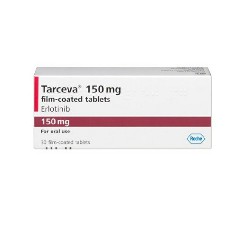
Clinical study data show that the treatment regimen of erlotinib combined with bevacizumab significantly improves the progression-free survival of patients with EGFR mutation-positive advanced non-small cell lung cancer. For example, the JO25567 study showed that the median progression-free survival of the combination group was significantly better than that of the erlotinib single-agent group, and the safety of both was within a controllable range. This study confirms that combined medication can delay disease progression and improve patients' quality of life. In addition, other relevant clinical trials such asNEJ026 further support the effectiveness of the combination regimen, indicating that the combination treatment has clinically meaningful benefits for patients.
However, combination therapy also brings certain risks of side effects, which requires the attention of clinicians and patients. Common adverse reactions of bevacizumab include hypertension, proteinuria, bleeding risk, and thrombosis, while erlotinib may cause rash, diarrhea, and abnormal liver function. When the two drugs are used together, patients may experience superimposed side effects, especially an increased risk of vascular-related complications. Therefore, clinically, it is necessary to strictly monitor the patient's blood pressure, renal function and other possible side effects, and rationally adjust the treatment plan to ensure patient safety and continuity of treatment.
In summary, erlotinib combined with bevacizumab treatment has shown good clinical efficacy in patients with EGFR mutation-positive advanced non-small cell lung cancer, significantly prolonged progression-free survival, and the safety is within a manageable range. This combination regimen provides patients with a more effective treatment option, especially for patients who are resistant to monotherapy or have poor prognosis, and has important clinical value. In the future, as more research is conducted and more clinical data is accumulated, this treatment model is expected to be further optimized and bring greater benefits to patients.
Reference:https://en.wikipedia.org/wiki/Erlotinib
[ 免责声明 ] 本页面内容来自公开渠道(如FDA官网、Drugs官网、原研药厂官网等),仅供持有医疗专业资质的人员用于医学药学研究参考,不构成任何治疗建议或药品推荐。所涉药品可能未在中国大陆获批上市,不适用于中国境内销售和使用。如需治疗,请咨询正规医疗机构。本站不提供药品销售或代购服务。


