
.jpeg)
What core information does the Lazertinib drug package insert include?
Lazertinib is a new generation of third-generation epidermal growth factor receptor tyrosine kinase inhibitor (EGFR-TKI), mainly used to treat patients with EGFR sensitive mutations (such as 19NSCLC) with exon deletion or 21exon L858R mutation) and T790M drug-resistant mutation. As an important drug in the field of targeted therapy, Lanzitinib's drug instructions provide key clinical medication reference for doctors and patients. This article will comprehensively review the core information in the instructions for Lanzitinib to help patients better understand the drug usage specifications, precautions and potential risks.
1. Indications
According to the instructions, lanzatinib is suitable for the treatment of patients with EGFR positive advanced or metastatic non-small cell lung cancer that develops T790M mutation after EGFR-TKI treatment. At the same time, it has also been approved in some countries and regions for first-line treatment of EGFR-sensitive mutation-naïve patients, especially in patients with a high risk of brain metastasis, showing good central penetration and efficacy.
2. Usage and dosage
The recommended dose of lanzetinib is 240 mg once dailyorally. Medications should be taken on an empty stomach or with a low-fat diet to avoid high-fat foods interfering with absorption. If serious adverse reactions occur, the dosage may be adjusted or the medication may be temporarily discontinued as recommended by the doctor. Instructions usually recommend:
When skipping a dose, do not double the dose;
If severe toxicity occurs such as liver damage or QT prolongation, it may be necessary to reduce to 160mg or even 80mg.
3. Pharmacokinetics
The pharmacokinetic characteristics of lanzatinib will be listed in detail in the instructions, including:
Absorption: Rapidly absorbed after oral administration, Tmax is about 2-4 hours;
Distribution: It has good tissue distribution ability, especially good penetration into the central nervous system;
Metabolism: Mainly through liver metabolism, involvingCYP3A4Enzyme system;
Excretion: Mainly through feces, with a smaller proportion excreted by kidneys;
Half-life: Approximately64-75 hours, supporting once-daily dosing regimen.
4. Contraindications
There are currently few clear contraindications in the instructions, but use should be avoided in the following situations:
Those who are allergic to lanzetinib or any of its excipients;
Contraindicated for pregnant and lactating women (see below for details"Drugs for Pregnant Women");
People with severe hepatic or renal impairment should use with caution.
5. Adverse reactions
Adverse reactions are extremely important content in drug instructions. The common adverse reactions of lanzatinib are similar to other EGFR-TKI, and the following may be listed in the instructions:
Common adverse reactions (incidence≥10%):
Skin rash (dermatitis acneiformis)
Diarrhea
decreased appetite
fatigue
Stomatitis
dry skin
Nails become brittle or fall off
Laboratory abnormalities:
Elevated liver enzymes (ALT, AST)
Elevated bilirubin
Leukopenia, neutropenia
Thrombocytopenia
Serious adverse reactions:
Interstitial lung disease (ILD) or pneumonia-like reaction requires immediate discontinuation and treatment
QTProlonged interval may lead to arrhythmia
Severe skin reactions (such as erythema multiforme)
Ocular toxicity (e.g. blurred vision, dryness)
6. Medication for pregnant and lactating women
The instruction manual will usually specifically mention:
Lanzertinib has been shown to cause embryotoxicity and teratogenicity in animal studies and is therefore contraindicated in pregnant women.
It is not clear whether breast milk is secreted during breastfeeding. It is recommended to stop breastfeeding while taking the drug.
For women of childbearing age, it is recommended to take effective contraceptive measures during the medication and continue contraception for a certain period of time after stopping the medication.
7. Drug interactions
Lanzatinib is metabolized mainly throughCYP3A4, so the instructions remind:
Avoid combined use with potentCYP3A4 inducers (such as rifampicin, carbamazepine) or inhibitors (such as ketoconazole);
Electrocardiogram monitoring is required when combined with otherQT prolonging drugs;
Combined use with antacid drugs may affect absorption, and the taking time should be staggered.
8. Medication for Special Populations
Elderly: No dose adjustment is required, but adverse reaction monitoring should be strengthened;
Hepatic insufficiency: Mild to moderate patients can use with caution, severe cases are not recommended;
Patients with renal insufficiency: Mild patients do not need to adjust, severe patients should use with caution.
9. Storage conditions and drug specifications
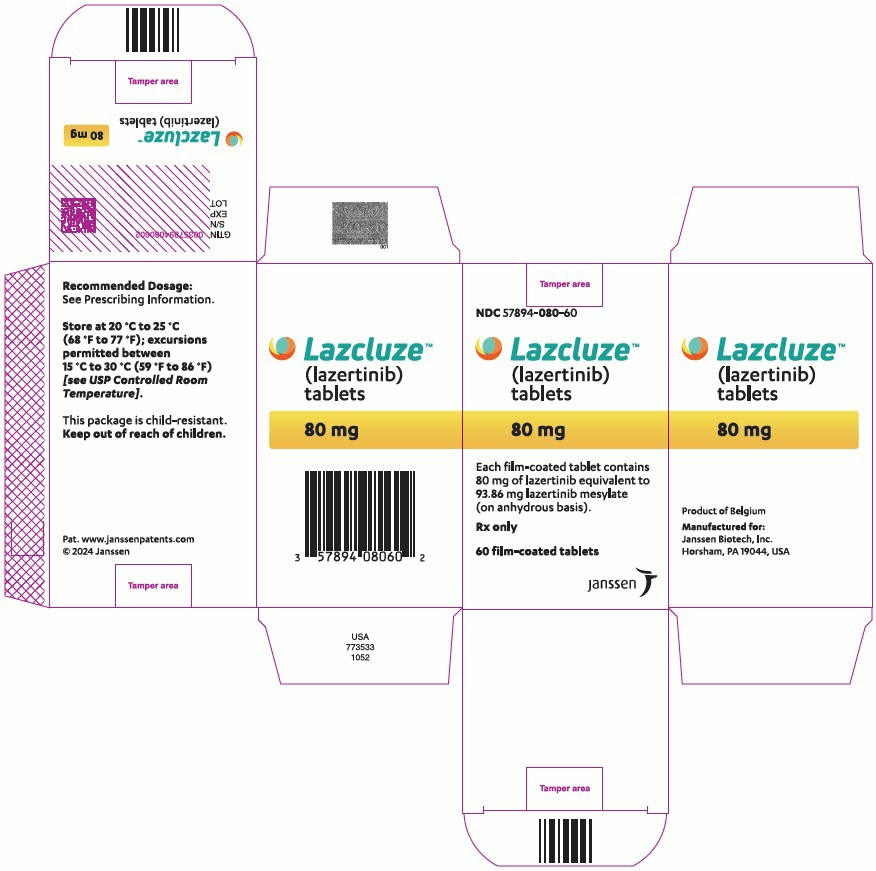
The instructions will indicate that the medicine should be stored in a cool and dry place (usually below 25℃), away from direct sunlight and humid environment. Medications are usually provided in capsule or tablet form, with common strengths being:
80mg/tablets, one bottle30tablets;
or240mgIntegrated dose packaging.
Lanzatinib as the third generationEGFR-TKI, which has important value in the targeted treatment of non-small cell lung cancer. Its drug instructions comprehensively cover key information such as indications, usage and dosage, adverse reactions, precautions, etc., and are an important reference for patients and medical staff to formulate treatment plans. Understanding the contents of the instructions will help improve the scientific nature and safety of medication and maximize the therapeutic benefits of the medication.
During use, patients must strictly follow the doctor's instructions and implement the treatment plan. If they encounter any discomfort or questions, they should communicate with the doctor in time and do not stop taking the medicine or change the dosage without authorization.
Reference materials:https://www.drugs.com/donanemab.html
[ 免责声明 ] 本页面内容来自公开渠道(如FDA官网、Drugs官网、原研药厂官网等),仅供持有医疗专业资质的人员用于医学药学研究参考,不构成任何治疗建议或药品推荐。所涉药品可能未在中国大陆获批上市,不适用于中国境内销售和使用。如需治疗,请咨询正规医疗机构。本站不提供药品销售或代购服务。


