
.jpeg)
What are the risks of common and serious adverse reactions with Seladelpar?
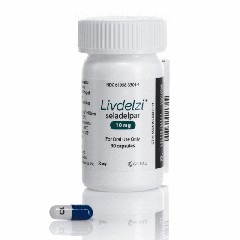
Seladelpar is a selective peroxisome proliferator-activated receptor delta (PPARdelta) agonist. It is mainly used to treat primary biliary cholangitis (PBC), especially for patients with insufficient response to ursodeoxycholic acid (UDCA). As a new drug targeting metabolic pathways, Siladepa improves liver function and bile acid metabolism abnormalities in patients with PBC by regulating liver lipid metabolism and reducing bile acid toxicity and inflammatory reactions.
Although Siladepa has shown good efficacy and safety in clinical studies, certain adverse reactions may occur during actual use. This article will introduce in detail the risks of common and serious adverse reactions of Siladepa, and provide effective response suggestions based on clinical management experience.
1. Common adverse reactions of Siladepa
According to the results of multiple phase III clinical studies, Siladepa is generally well tolerated, and most adverse reactions are mild to moderate, mainly including the following categories:
1. Musculoskeletal discomfort
Some patients may experience muscle soreness, joint pain, or bone discomfort during treatment. This may be related to the effects of PPAR delta agonists on muscle metabolism and inflammation regulation, which are usually mild symptoms, but should be alerted to possible signs of myopathy or rhabdomyolysis (although rare).
2. Elevated liver enzymes (ALT/AST)
Although Siladepa is designed to protect liver function, mild elevations of transaminases (ALT, AST) may still occur in some patients. Most are transient phenomena and can return to normal after stopping the drug or reducing the dose, but those that continue to increase need to be evaluated for drug-induced liver injury.
3. Digestive tract symptoms
Including nausea, bloating, diarrhea or constipation, etc., the incidence rate is generally low, and most of them are short-term reactions, which gradually reduce as the medication adapts.
4. Skin symptoms
Siladepa may cause itching (skin itching is a common symptom of PBC itself). Some patients may experience a slight increase in itching at the beginning of treatment, but it usually improves as the course of treatment progresses.
5. Fatigue and weakness
Fatigue isPBC One of the common symptoms of patients with PBC may also be further amplified during treatment with Siladepa. Some patients reported decreased physical strength and drowsiness during medication.
2. Serious adverse reactions and risks
Although Siladepa is generally safe, in rare cases some serious adverse reactions may occur or require special attention.
1. Severe liver toxicity (rare but need to be vigilant)
In early clinical trials, some patients treated with high doses experienced severe liver damage, such as jaundice, significantly elevated bilirubin, and hepatitis-like changes. Therefore, the dosage range was clearly controlled in subsequent studies. During clinical use, the recommended dosage must be strictly followed, and liver function indicators must be closely monitored.
2. Severe muscle damage (such as rhabdomyolysis)
Although the incidence is extremely low, you should be alert to symptoms such as elevated muscle enzymes (such asCK), muscle weakness, or dark urine when using PPAR agonists. It is recommended to monitor creatine kinase levels early in treatment and at the onset of symptoms.
3. Allergic reaction
Including rash, itching, hives, etc. Serious reactions such as drug anaphylactic shock may occur in rare cases. If the patient has difficulty breathing, facial swelling, or body rash after taking the drug, he should seek medical attention immediately.
4. Worst cholestasis
Although Siladepa is used to improve bile acid metabolism, in rare cases, further impairment of bile excretion may occur due to individual differences or concomitant diseases. Symptoms include jaundice, increased skin itching, and elevated bilirubin.
3. Monitoring and response strategies for adverse reactions
In order to ensure medication safety to the greatest extent, patients should establish a standardized monitoring mechanism while using Siladepa, and adjust the treatment plan in a timely manner according to specific reactions.
1. Regular liver function monitoring
It is recommended to conduct a baseline liver function test before taking the drug, and then review it once a month. The interval can be appropriately extended after drug tolerance is confirmed. If ALT or AST rises more than 3 times the normal value, treatment should be suspended or reduced.
2. Monitoring muscle enzymes and renal function
For patients with symptoms such as muscle pain or weakness, CK levels should be checked. If CK is significantly elevated or accompanied by abnormal renal function, the presence of rhabdomyolysis should be evaluated promptly and the drug should be discontinued if necessary.
3. Symptomatic treatment support
For mild nausea, bloating, etc., you can take small meals and a light diet;
For itching symptoms, antihistamines or bile salt binders can be supplemented;
If fatigue significantly affects the quality of life, you may consider adjusting your life rhythm and supplementing with B vitamins, etc.
4. Personalized adjustment of medication
For patients who are sensitive to side effects or have comorbidities, consideration should be given to starting at a lower dose and gradually adjusting the dose based on response. The elderly and those with liver and kidney dysfunction should be especially cautious.
As a new generation of potential drug for the treatment of PBC, Siladepa has significant advantages in improving cholestasis and liver function, but it may also cause a certain degree of adverse reactions. Understanding and paying attention to these side effects is key to ensuring the safety and maximum effectiveness of treatment.
In clinical use, the principle of "individualized treatment" should be adhered to and risks and benefits should be dynamically assessed based on the patient's basic disease and physical characteristics. At the same time, patients should strengthen self-observation, provide timely feedback on discomfort symptoms, and establish good communication with doctors so that they can intervene promptly and ensure medication safety when adverse reactions occur. Through scientific management, Siladepa is expected to bring more lasting and stable clinical benefits to PBC patients.
Reference materials:https://www.drugs.com/donanemab.html
xa0
[ 免责声明 ] 本页面内容来自公开渠道(如FDA官网、Drugs官网、原研药厂官网等),仅供持有医疗专业资质的人员用于医学药学研究参考,不构成任何治疗建议或药品推荐。所涉药品可能未在中国大陆获批上市,不适用于中国境内销售和使用。如需治疗,请咨询正规医疗机构。本站不提供药品销售或代购服务。


