
.jpeg)
How does platinib interact with other anticancer drugs?
Pralsetinib , as a new type of RET tyrosine kinase inhibitor, has been used to treat non-small cell lung cancer (NSCLC) and thyroid cancer carrying RET gene fusions. It plays an anti-tumor effect by inhibiting the activity of RET receptor tyrosine kinase, thereby blocking downstream cell signaling. However, similar to most oral targeted drugs, platinib will inevitably have drug interactions with other anti-cancer drugs or supportive care drugs in clinical application. These interactions may affect its efficacy and safety, so high attention must be paid to clinical management.
First of all, the metabolism of platinib is mainly through the cytochromeP450 enzyme system in the liver, especially the CYP3A4 enzyme involved in its main metabolic pathway. Therefore, coadministration with CYP3A4 inducers or inhibitors may significantly alter platinib plasma concentrations. For example, strong CYP3A4 inhibitors such as itraconazole or clarithromycin will increase the systemic exposure of platinib, which may aggravate its adverse reactions, such as hypertension, elevated liver enzymes, or constipation; while strong CYP3A4 inducers such as rifampicin and carbamazepine may reduce the plasma concentration of platinib, resulting in poor therapeutic effect. Therefore, when using combination drugs, the impact of pharmacokinetic changes on clinical efficacy and toxicity must be weighed, and the dose of platinib must be adjusted if necessary.
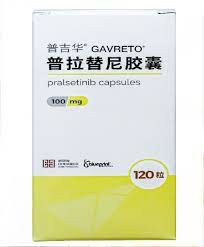
Secondly, the combined use of platinib with other targeted drugs or chemotherapy drugs may increase the risk of toxicity. When combined with platinum drugs such as cisplatin and carboplatin, side effects such as bone marrow suppression and gastrointestinal toxicity may be aggravated. Simultaneous use with immune checkpoint inhibitors such as nivolumab or pembrolizumab is still in the research stage. Although it may produce a synergistic anti-tumor effect, there is also the possibility of superposition of immune-related toxicity and targeted toxicity, so caution is still required. In some ongoing clinical trials of combination therapy, researchers are trying to explore safety margins through low-dose or stepped dosing strategies.
In terms of supportive care, Platinib also has potential interactions with other commonly used drugs such as antibiotics, antifungals, antiviral drugs, proton pump inhibitors (such as omeprazole), etc. For example, coadministration with drugs that increase gastric pH, such as omeprazole, may affect the oral absorption of platinib, thereby reducing its bioavailability. Therefore, it is recommended to stagger the medication time or use alternative medications under the guidance of a doctor. For another example, combined use with vasopressors or diuretics may have additive effects on blood pressure control. Under the premise that platinib is known to cause hypertension, blood pressure should be closely monitored.
In addition, platinib may also affect the metabolic pathways of other drugs. For example, it is thought that it may inhibit or induce certain CYP enzymes, thereby affecting the metabolism of concurrently administered medications such as statins, warfarin, or other anticoagulants. Therefore, drug concentration monitoring and dosage adjustment need to be considered during combined use to prevent an increase in side effects such as bleeding or myotoxicity.
In clinical practice, it is recommended to develop a detailed drug evaluation plan for all patients receiving platinib treatment, including evaluating the metabolic pathways and risk scores of all concomitant drugs. This is especially true when patients have multiple chronic diseases, such as hypertension, diabetes, or infection. At the same time, pharmacists and clinicians should jointly participate in the drug management process to ensure drug safety.
Reference: https://gavreto.com/
[ 免责声明 ] 本页面内容来自公开渠道(如FDA官网、Drugs官网、原研药厂官网等),仅供持有医疗专业资质的人员用于医学药学研究参考,不构成任何治疗建议或药品推荐。所涉药品可能未在中国大陆获批上市,不适用于中国境内销售和使用。如需治疗,请咨询正规医疗机构。本站不提供药品销售或代购服务。


