
.jpeg)
Erdafitinib package insert content and medication precautions
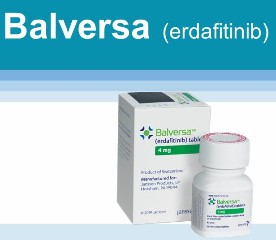
Erdafitinib is an oral small molecule tyrosine kinase inhibitor mainly used to treat locally advanced or metastatic urothelial cancer (mainly bladder cancer) associated with FGFR2 or FGFR3 gene mutations. The drug, developed by Johnson & Johnson, is the first targeted drug approved by the FDA for this type of genetic mutation cancer. The following is a summary of the instructions and medication precautions for erdafitinib for the reference of patients and clinical users.
1. Indications, usage and dosage
Erdafitinib is mainly suitable for patients with advanced or metastatic urothelial carcinoma who have progressed after platinum-containing chemotherapy and whose tumors have FGFR2 or FGFR3 gene alterations. Before use, the patient must be confirmed to carry a specific FGFR gene mutation or fusion through an FDA-approved companion diagnostic test.
The recommended starting dose is once a day, 8mg each time, taking it continuously for 21 days and then resting for 7 days as a cycle (21/28 day cycle plan). Doctors can adjust the dose at an early stage based on the patient's tolerance and serum phosphorus level, and the maximum dose should not exceed 9 mg per day. If the patient experiences obvious adverse reactions or is unable to tolerate the drug, the dose may need to be reduced or the medication may be suspended.
2. Pharmacokinetics and drug action mechanism
Erdafitinib inhibits 1 and 2FGFR) family. >, 3 and 4 activity, thus blocking the signaling pathways in tumor cells, inhibiting cell proliferation and tumor angiogenesis, and achieving the purpose of inhibiting tumor growth. The drug is rapidly absorbed after oral administration and reaches peak concentration in about 2 to 4 hours. It is mainly metabolized by the liver and excreted through the kidneys and biliary tract. The half-life is about 59 hours.
Food has little effect on the absorption of erdafitinib, so it can be taken with food or on an empty stomach. However, high-fat meals may slightly affect the efficacy of the medicine. It is recommended to choose the medication time under the guidance of a doctor.
3. Medication precautions
1. Vision related problems
Erdafitinib may cause retinal pigment epithelial detachment (CSR) or other retinal adverse reactions. An eye examination should be performed before treatment, and vision should be monitored regularly during treatment, especially within the first 1 month after starting treatment. If symptoms such as blurred vision and dark shadows in front of the eyes occur, the medication should be suspended immediately and an ophthalmological evaluation should be performed.
2.Risk of hyperphosphatemia
A common side effect of erdafitinib is an increase in blood phosphorus, which is one of the efficacy indicators. However, excessive phosphorus levels can cause problems such as soft tissue calcification. It is recommended to monitor blood phosphorus levels every week during medication. If the phosphorus level exceeds 5.5 mg/dL, the doctor may adjust the dose or use phosphorus-lowering drugs for auxiliary treatment.
3.Liver and kidney function monitoring
Patients should monitor liver function (ALT, AST, bilirubin) and renal function (serum creatinine, urea nitrogen) indicators before and during treatment. Patients with moderate or severe hepatic and renal insufficiency should use it with caution and adjust the dose according to clinical conditions.
4. Contraindicated during pregnancy and lactation
Erdafitinib may cause harm to the fetus. Women of childbearing age should take effective contraceptive measures while taking the drug and avoid pregnancy for at least one month after stopping the drug. Male patients should avoid impregnating their partners for at least one month after stopping the drug. Breastfeeding women should avoid using this drug to prevent the drug from passing through breast milk and having adverse effects on the baby.
5.Drug interactions
Erdafitinib is a substrate of CYP2C9 and CYP3A4 enzymes. It should be avoided to be used simultaneously with strong enzyme inducers (such as carbamazepine, rifampicin) or inhibitors (such as ketoconazole) to avoid affecting the efficacy or toxicity. If combined use is necessary, please adjust the dosage under the guidance of a doctor.
4. Common adverse reactions
Common adverse reactions during erdafitinib treatment include:
Hyperphosphatemia (the most common, the incidence rate is as high as 70% or more)
Fatigue, stomatitis, diarrhea, decreased appetite
Dry skin, paronychia, hair loss, pigmentation
Nail problems (thickening, breakage)
Blurred vision or eye discomfort
Most of these reactions are mild to moderate and can be alleviated by dose adjustment or symptomatic treatment.
For individual serious adverse reactions such asCSR or severe electrolyte imbalance, the drug should be discontinued immediately and further treatment should be carried out.
Erdafitinib, as a precise targeted therapy for FGFR mutant urothelial carcinoma, provides a new treatment option for this type of patients. Although its efficacy is clear, adverse reactions still need to be paid close attention to during treatment, especially hyperphosphatemia and ocular complications. Patients should strictly abide by the doctor's instructions during use and undergo regular laboratory and imaging examinations to ensure drug safety and maximize treatment effects. With the accumulation of more research data and possible inclusion in medical insurance, the clinical application prospects of erdafitinib are promising in the future.
Reference link:https://www.balversa.com/
[ 免责声明 ] 本页面内容来自公开渠道(如FDA官网、Drugs官网、原研药厂官网等),仅供持有医疗专业资质的人员用于医学药学研究参考,不构成任何治疗建议或药品推荐。所涉药品可能未在中国大陆获批上市,不适用于中国境内销售和使用。如需治疗,请咨询正规医疗机构。本站不提供药品销售或代购服务。


