
.jpeg)
What is the specific difference between rasagiline and selegiline?
Rasagiline and selegiline hydrochloride tablets (Selegiline), as two classic monoamine oxidase B inhibitors (MAO-B inhibitors), both play an important role in the treatment of Parkinson's disease (PD). They have many similarities in their pharmacological mechanisms, but there are significant differences in clinical application, metabolic characteristics, risk of side effects, and long-term efficacy. An in-depth understanding of the differences between these two drugs can help doctors make personalized medication choices and allow patients to be more proactive in formulating treatment plans.
First of all, from the chemical structure point of view, rasagiline is a phenylpropynyl amine derivative of selegiline. The structure is simpler, so its metabolites are also clearer. The main metabolite of rasagiline is not amphetamine or methamphetamine-like substances, so it does not produce ingredients with amphetamine-like effects; while selegiline can generate L-methamphetamine and other substances after metabolism in the body. Although its content is limited, long-term use may still cause side effects such as nervous excitement, insomnia, and anxiety, especially in elderly patients. Therefore, rasagiline is considered to have certain advantages in terms of safety and is more suitable for Parkinson's patients with insomnia or mental agitation.
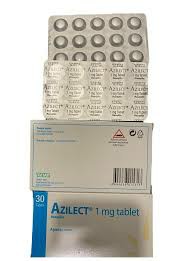
Secondly, in terms of clinical application, both are approved for the treatment of Parkinson's disease, but rasagiline is usually recommended for early monotherapy or in combination with levodopa to delay the progression of motor symptoms and improve motor fluctuations. Selegiline is mainly used to improve the "on-off" phenomenon of late-stage Parkinson's disease. Its single use has limited efficacy and is mostly used in combination programs. In terms of onset time, rasagiline usually takes effect a few weeks after use, and its efficacy is more stable; while selegiline may have large fluctuations in efficacy due to interference from metabolites, and its clinical control is not as stable as rasagiline.
In terms of pharmacokinetics, rasagiline has high bioavailability, stable metabolism after oral absorption, and is not affected by gastrointestinal food. Its half-life is about about 3 hours, but its irreversible MAO-B inhibitory effect can last for more than 24 hours, so a stable therapeutic effect can be achieved once a day. However, the absorption of selegiline is greatly affected by food, its metabolism is highly variable, and its half-life is slightly longer. Some patients need to take it in the morning to reduce the impact on sleep, which poses certain obstacles in compliance management.
In addition, regarding whether it has neuroprotective effects, rasagiline has been shown in multiple animal models and some human studies that it may have anti-apoptotic, antioxidant and other neuroprotective effects, helping to delay the process of neuronal damage. Although it has not yet been fully confirmed, this potential makes its application in early intervention more valuable. Although selegiline has also been studied for its neuroprotective effect, the adverse effects of its metabolites may offset part of the neuroprotective effect during long-term use, so its clinical prospects are slightly inferior.
In terms of price, because rasagiline is a newer drug, its price is usually higher, but with the launch of generic drugs, the cost is gradually controllable. As a drug that entered the market earlier, selegiline is relatively cheap and suitable for people covered by medical insurance or with low-cost medication strategies.
In summary, although rasagiline and selegiline hydrochloride are both MAO-B inhibitors, rasagiline performs better in terms of safety, efficacy stability and patient compliance, and is especially suitable for patients who need long-term and stable control of Parkinson's disease symptoms. Selegiline, on the other hand, still has value in some specific patients due to its lower cost and wide range of indications.
Reference materials:https://www.azilect.com/
[ 免责声明 ] 本页面内容来自公开渠道(如FDA官网、Drugs官网、原研药厂官网等),仅供持有医疗专业资质的人员用于医学药学研究参考,不构成任何治疗建议或药品推荐。所涉药品可能未在中国大陆获批上市,不适用于中国境内销售和使用。如需治疗,请咨询正规医疗机构。本站不提供药品销售或代购服务。


