
.jpeg)
The pairing of fenelidone and empagliflozin results in greater albuminuria reduction
Phase 2CONFIDENCE New data show that combined treatment with finerenone and empagliflozin significantly reduced albuminuria in patients with chronic kidney disease (CKD) and type 2 diabetes (T2D) compared with either treatment alone, results from the trial (NCT05254002).
Finelidone is a selective nonsteroidal mineralocorticoid receptor antagonist primarily used to treat kidney-related diseases. Its mechanism of action is to reduce inflammation and fibrosis of renal tubules by inhibiting the excessive activity of mineralocorticoids, thereby protecting renal function. At the same time, empagliflozin, as a sodium glucose transporter-2 (SGLT-2) inhibitor, can reduce blood sugar levels in patients with type 2 diabetes through multiple mechanisms such as promoting urinary glucose excretion, improving insulin sensitivity, and reducing weight. Each of these two drugs has its own unique mode of action and complements each other in the treatment of CKD and T2D.
The CONFIDENCE trial was designed very rigorously and was a randomized, double-blind study involving 818 patients at 143 study sites in 14 countries. All participants were adults with chronic kidney disease and type 2 diabetes who had been treated with a renin-angiotensin system (RAS) inhibitor at the maximum tolerated dose for at least one month. This design ensures the reliability of the study results because the baseline characteristics of the participants are relatively consistent and reflect the true effect of the combination treatment.
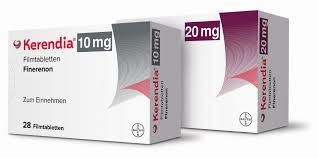
In the trial, participants were randomly divided into three groups: one group received empagliflozin 10 mg once daily plus placebo, another group received fenidone 10 or 20 mg once daily plus placebo, and the third group received a combination of fenidone and empagliflozin. Dose adjustments were based on participants' baseline estimated glomerular filtration rate (eGFR) and were stratified by eGFR and UACR. This careful randomization strategy allows for more accurate assessment of responses in different patient groups.
The results showed that the median urinary albumin to creatinine ratio (UACR) on day 180 in the group receiving combination therapy was 52% lower than baseline. This data demonstrates that combination therapy not only effectively controls urinary albumin excretion but is also more effective than either drug alone. Specifically, the combination treatment resulted in an additional 29% reduction compared with fenidone alone (P<0.001) and a 32% reduction compared with empagliflozin alone (P<0.001). Such results clearly demonstrate the synergistic effect of the combination of the two drugs and provide an important basis for future clinical practice.
Additionally, the trial highlighted that the combination treatment was well tolerated and no unexpected safety signals were observed. This is particularly important for clinicians, who must not only consider efficacy when selecting a treatment regimen, but also pay attention to patient safety and tolerability. It can be seen from the trial that 70% of patients in both therapies achieved the UACR reduction target recommended by the ADA, which is more than 30%. This further demonstrates the significance of this combined treatment regimen in clinical decision-making.
As the clinical community gradually realizes the complexity of chronic diseases, early combination treatment models are beginning to replace the traditional stepwise treatment approach. There has been some success in the management of chronic diseases such as heart failure and hypertension, and the results of the CONFIDENCE trial suggest that this trend also applies to the treatment of CKD and T2D. Increasing evidence supports combined intervention at an early stage to more effectively control disease progression and improve patients' quality of life.
References:https://www.docwirenews.com/post/pairing-of-finerenone-and-empagliflozin-results-in-greater-albuminuria-reduction
[ 免责声明 ] 本页面内容来自公开渠道(如FDA官网、Drugs官网、原研药厂官网等),仅供持有医疗专业资质的人员用于医学药学研究参考,不构成任何治疗建议或药品推荐。所涉药品可能未在中国大陆获批上市,不适用于中国境内销售和使用。如需治疗,请咨询正规医疗机构。本站不提供药品销售或代购服务。


