
.jpeg)
Detailed explanation of the main functions and clinical therapeutic effects of Tofacitinib
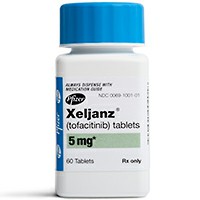
Tofacitinib is an oral small molecule drug that is a JAK (Janus kinase) inhibitor originally developed by Pfizer. The drug blocks the signaling pathways of inflammatory cytokines by targeting JAK1 and JAK3 in the JAK family, and plays a significant role in regulating immune system responses. It is widely used in the treatment of a variety of autoimmune diseases, especially in chronic inflammatory diseases such as rheumatoid arthritis, ulcerative colitis, and psoriatic arthritis.
1. The mechanism of action of tofacitinib
Tofacitinib is a JAK inhibitor that works by inhibiting JAK1 and JAK3 span>, partially inhibits JAK2, thereby affecting the activation of STAT (signal transducer and activator of transcription) protein. JAK-STATpathway is a pathway for various cytokines such as IL-2, IL-6, IL-12, IL-23, γ-interferon and other important pathways for transmitting signals. These cytokines are involved in regulating the immune system, inflammatory response and hematopoietic function. By intervening in this key signaling pathway, tofacitinib can inhibit inflammatory responses and immune-mediated tissue damage.
Compared with traditional biological agents, tofacitinib is a small molecule drug that has the advantages of oral administration, rapid onset of action, and short metabolic half-life. It also does not require cold chain transportation and is easy to use. Its targeting mechanism determines that it can be widely used in the treatment of various inflammatory diseases.
2. Main clinical indications
1.Rheumatoid arthritis (RA)
Tofacitinib is the first JAK inhibitor approved for the treatment of moderately to severely active rheumatoid arthritis. It is suitable for adult patients who have an inadequate response to or are intolerant to traditional disease-modifying antirheumatic drugs (csDMARDs) such as methotrexate. It can significantly reduce joint swelling and pain, delay the destruction of bone and joint structures, and improve patients' daily activities. Clinical studies have shown that tofacitinib is as effective as TNF-α inhibitors in improving symptoms of RA.
2.Ulcerative colitis (UC)
Tofacitinib is also approved for the treatment of patients with moderately to severely active ulcerative colitis. It quickly relieves symptoms of diarrhea, abdominal pain, and bloody stools and helps maintain remission. Compared with other biological agents, tofacitinib is easy to take orally and has a relatively low incidence of adverse reactions.
3.Psoriatic arthritis (PsA)
In the treatment of psoriatic arthritis, tofacitinib can be used in adult patients who have failed to respond to traditionalDMARDs. It not only improves joint symptoms but also relieves skin psoriasis manifestations.
4.Other potential indications
Research is also exploring the application prospects of tofacitinib for ankylosing spondylitis, atopic dermatitis, alopecia areata, lupus erythematosus and other diseases, showing broad development potential.
3. Adverse reactions and risks of use
Although tofacitinib has good clinical efficacy, there is still a certain risk of adverse reactions, especially during long-term use:
Risk of infection: Due to its suppression of immune function, patients are at increased risk of infection during use of tofacitinib, especially herpes zoster, pneumonia, urinary tract infections, etc. The incidence of serious infections is higher in older adults or those with multiple underlying medical conditions.
Blood abnormalities: may cause leukopenia, anemia or neutropenia, so routine blood tests need to be checked regularly before and during treatment.
Dyslipidemia and cardiovascular risk: Tofacitinib may cause an increase in cholesterol levels, and long-term use may increase the risk of blood clots, myocardial infarction, or stroke. FDA has issued warnings about its cardiovascular safety.
Abnormal liver function: Some patients may experience elevated transaminases during use, and liver function needs to be monitored.
Risk of malignant tumors: Long-term use may slightly increase the incidence of certain tumors (such as lymphoma, lung cancer). Although the overall risk is still low, caution should be used in high-risk groups.
4. Clinical medication recommendations and monitoring
The usual recommended dose of tofacitinib is 5 mg twice daily for patients with rheumatoid arthritis or psoriatic arthritis. In induction therapy of ulcerative colitis, a short-term dose increase to 10 mg twice daily may be required, followed by a maintenance dose readjustment to 5 u200bu200bmg.
A comprehensive assessment should be carried out before medication, including infection screening (such as tuberculosis, hepatitis B, hepatitis C), blood routine, liver and kidney function, blood lipid level assessment, etc. Regular follow-up monitoring is required during medication, especially for elderly patients or patients with underlying cardiovascular diseases, and the risk of side effects needs to be closely observed.
Additionally, concomitant use with other immunosuppressants (such as biologics) should be avoided to reduce the risk of serious infection. Patients should notify their doctor immediately if they develop persistent fever, cough, rash, or unexplained fatigue.
Tofacitinib, as a small molecule drug targeting the JAK signaling pathway, has achieved significant clinical results in the treatment of chronic immune diseases such as rheumatoid arthritis, ulcerative colitis, and psoriatic arthritis. Its advantages of oral convenience, rapid onset of action, and wide range of indications make it an important supplement to traditional treatment options. However, its immunosuppressive properties also bring potential risks of infection, cardiovascular events, and tumors, and should be used with caution under the guidance of a physician. In the future, with the accumulation of more real-world data and long-term safety studies, tofacitinib's position in the field of autoimmune disease treatment is expected to be further consolidated.
Reference materials:https://www.xeljanz.com/
[ 免责声明 ] 本页面内容来自公开渠道(如FDA官网、Drugs官网、原研药厂官网等),仅供持有医疗专业资质的人员用于医学药学研究参考,不构成任何治疗建议或药品推荐。所涉药品可能未在中国大陆获批上市,不适用于中国境内销售和使用。如需治疗,请咨询正规医疗机构。本站不提供药品销售或代购服务。


