
.jpeg)
What are the therapeutic effects and common side effects of Erlotinib?
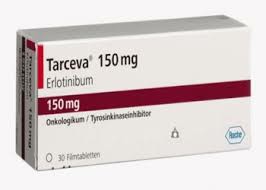
Erlotinib (Erlotinib) is an oral small molecule tyrosine kinase inhibitor (TKI). It is mainly used for targeted therapy of advanced or metastatic cancer in patients with epidermal growth factor receptor (EGFR) mutation-positive non-small cell lung cancer (NSCLC). Since it was first approved by the U.S. FDA in 2004, erlotinib has become one of the important first-line drugs for the treatment of EGFR mutant lung cancer, playing an important role in prolonging patients' survival and improving their quality of life. The following will introduce in detail the therapeutic effects, indications, common side effects and clinical use precautions.
1. Therapeutic effect of erlotinib
The main mechanism of action of Erlotinib is to inhibit the tyrosine kinase activity of EGFR and block the signal transduction pathways in cancer cells, thereby inhibiting the proliferation and metastasis of tumor cells and inducing their apoptosis. EGFR mutations are particularly common in Asian lung adenocarcinoma patients, accounting for as high as 30% to 50%. Clinical studies have shown that EGFR mutation-positive patients respond well to erlotinib, and their progression-free survival (PFS) and overall survival (OS) are significantly better than traditional chemotherapy.
In addition to EGFR mutation-positive non-small cell lung cancer, erlotinib is also used to treat pancreatic cancer (in combination with gemcitabine). However, its efficacy in pancreatic cancer is relatively weak and its scope of use is limited. Therefore, clinically, erlotinib is mainly used as an individualized treatment option for lung cancer patients, especially for elderly patients who cannot tolerate chemotherapy.
2. Indications and usage
In China, erlotinib has been approved for the following indications:
EGFRFirst-line treatment of locally advanced or metastatic non-small cell lung cancer with mutation-positive disease;
Second-line treatment after failure of premenstrual therapy;
Combination therapy for locally advanced or metastatic pancreatic cancer.
The drug is generally administered orally once a day, and the recommended dose is 150mg. It should not be taken with food at the same time to avoid affecting absorption. EGFR gene mutation testing is required before treatment to ensure that patients can benefit from it. In addition, the patient's symptom changes, liver function and skin reactions need to be closely monitored during treatment.
3. Common side effects
Although erlotinib is highly targeted and its side effects are more controllable than traditional chemotherapy drugs, there are still some common adverse reactions that patients need to pay close attention to during use:
Skin rash and skin reaction: This is one of the most common adverse reactions. More than 70% of patients will develop rashes of varying degrees, mostly manifested as acne-like rashes on the face, chest and back. Problems such as dry skin, itching, peeling, and cracking are also common. They generally appear within 1 to 2 weeks after treatment, and reach their peak within 3 to 4 weeks.
Diarrhea and gastrointestinal discomfort: Some patients may experience gastrointestinal symptoms such as mild to moderate diarrhea, nausea, vomiting, and loss of appetite. In rare cases, if diarrhea continues to worsen, the dosage may need to be adjusted or even temporarily discontinued.
Abnormal liver function: Erlotinib can cause ALT and AST to increase, especially after long-term use. Some patients will suffer from mild to moderate liver function damage. Therefore, it is recommended to monitor liver function regularly during use and consider adjusting the treatment plan if necessary.
Interstitial lung disease (ILD)-like changes: Although rare (the incidence is less than 1%), it can be life-threatening if it occurs. If patients develop unexplained cough, shortness of breath, difficulty breathing and other symptoms, they should stop taking the medicine immediately and seek medical examination.
Eye discomfort: including conjunctivitis, dry eye syndrome, eye pain, etc. Most of these symptoms are mild and can be relieved by stopping the medication.
4. Clinical precautions and medication suggestions
In clinical use, doctors need to decide whether to use erlotinib based on the patient's EGFR mutation status to ensure the targeting and effectiveness of the treatment. For patients with rashes, vitamin Aacid ointments, antihistamines, oral antibiotics and other symptomatic treatments can be used. In severe cases, suspension of medication or reduction of dosage should be considered. For diarrhea, antidiarrheal drugs such as loperamide can be used to relieve symptoms.
Since erlotinib is metabolized by the liver, special care must be taken when using other drugs that affect the CYP3A4 enzyme, such as antibiotics, anti-epileptic drugs, grapefruit juice, etc., as these may increase side effects or reduce efficacy. In addition, patients are advised to avoid smoking while taking the drug, as smoking will significantly reduce the plasma concentration of erlotinib, thus affecting its efficacy.
In summary, erlotinib, as the first generation EGFR-TKI targeted drug, has been widely used in the treatment of EGFR mutation-positive non-small cell lung cancer, and has played an important role in improving patients' quality of life and survival. However, in actual use, it is necessary to strictly select the appropriate population, closely monitor side effects, and combine individualized treatment strategies to achieve maximum clinical benefit. Patients who are taking erlotinib should be followed up regularly, actively respond to adverse reactions, and use medication scientifically under the guidance of a doctor.
Reference:https://en.wikipedia.org/wiki/Erlotinib
[ 免责声明 ] 本页面内容来自公开渠道(如FDA官网、Drugs官网、原研药厂官网等),仅供持有医疗专业资质的人员用于医学药学研究参考,不构成任何治疗建议或药品推荐。所涉药品可能未在中国大陆获批上市,不适用于中国境内销售和使用。如需治疗,请咨询正规医疗机构。本站不提供药品销售或代购服务。


