
.jpeg)
What are the common side effects of tofacitinib that you need to be wary of?
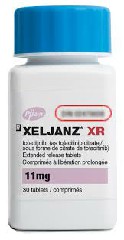
Tofacitinib is an oral small molecule JAK inhibitor, mainly used to treat immune-mediated diseases such as rheumatoid arthritis, ulcerative colitis, and psoriatic arthritis. Although tofacitinib has shown good efficacy in controlling disease activity and alleviating symptoms, as an immunomodulatory drug, it may also cause some side effects during use. Some side effects are mild but common, while some are more serious and require close monitoring and timely treatment. Below we introduce in detail the common side effects of tofacitinib and the key risks that need to be vigilant.
1. Risk of infection: one of the most important side effects during use
Tofacitinib regulates the immune response by inhibiting the JAK signaling pathway, thus inhibiting the body's defense against pathogens to a certain extent, thereby increasing the risk of infection. The most common symptoms during the use of tofacitinib are upper respiratory tract infection, nasopharyngitis, cough and other minor infection symptoms, but some patients may develop more serious infection problems, such as herpes zoster, pneumonia, urinary tract infection, tuberculosis and even opportunistic infections (such as fungal or viral diseases). Patients with a history of previous infection, older patients, or those receiving other immunosuppressive treatments are at higher risk.
Therefore, before starting tofacitinib treatment, doctors usually recommend a tuberculin skin test or an interferon gamma release test (IGRA) to rule out latent tuberculosis infection. It is also recommended to regularly monitor body temperature, white blood cell count, and patient symptoms to detect signs of potential infection as early as possible. If you have persistent fever, cough or other symptoms of infection, you should seek medical treatment promptly.
2. Abnormal blood lipids and liver function: biochemical indicators need to be monitored regularly
Clinical studies have found that tofacitinib may cause an increase in blood lipid levels, especially total cholesterol, low-density lipoprotein (LDL) and high-density lipoprotein (HDL). Although it may not cause clinical symptoms in the short term, it may increase the potential risk of cardiovascular events in the long term. Therefore, patients should undergo regular blood lipid testing before and during medication. For patients with a history of hyperlipidemia or atherosclerosis, they need to undergo lipid-lowering treatment or adjust their medication strategy under the guidance of a doctor.
In addition, tofacitinib may also have certain effects on liver function, manifested by an increase in serum aminotransferases (ALT, AST). Therefore, it is recommended that patients undergo regular liver function tests during medication, especially when combined with other hepatotoxic drugs. If significant liver enzyme elevations occur, suspension or adjustment of tofacitinib should be considered.
3. Blood system abnormalities: Be alert to changes in white blood cells and platelets
Tofacitinib may cause hematological adverse reactions, including neutropenia, lymphopenia, and hemoglobin decrease. The changes are mild in most cases, but may lead to an increased risk of infection or worsening of anemia symptoms in some patients, especially when combined with other immunosuppressive drugs.
At the beginning and during the treatment, it is recommended to monitor the complete blood count (CBC) regularly, especially at the 1 month, the 3 month and then every 3 months thereafter. Once significant blood cell reduction occurs, you should consider whether to suspend or adjust the treatment plan under the guidance of a doctor.
4. Other adverse reactions that require vigilance: cardiovascular events and tumor risks
Research data shows that patients who take tofacitinib for a long time, especially those who are elderly, have a history of smoking or have existing cardiovascular diseases, may have an increased risk of cardiovascular events (such as myocardial infarction, stroke, etc.). In addition, there are also data suggesting that long-term use of JAK inhibitors may be associated with a slight increase in the risk of malignant tumors such as lymphoma and skin cancer.
Therefore, for people with risk factors for cardiovascular disease or high-risk tumors, it is necessary to weigh the risks and benefits before using tofacitinib, and choose other treatments or strengthen screening and monitoring if necessary. Patients should also avoid prolonged exposure to the sun during use and undergo regular skin examinations.
Tofacitinib, as a targeted immunomodulatory drug, can effectively alleviate the symptoms of a variety of immune-related diseases, but its side effects cannot be ignored. The ones that require the most vigilance include infection, abnormal blood lipids and liver function, cytopenias, and potential cardiovascular and tumor risks. In order to ensure safe medication, patients should strictly follow the doctor's instructions to take medication and review relevant indicators regularly. If there is any discomfort or abnormality, they should seek medical evaluation in time. With standardized use and regular monitoring, most patients can benefit from tofacitinib treatment and keep side effects within acceptable limits.
Reference materials:https://www.xeljanz.com/
[ 免责声明 ] 本页面内容来自公开渠道(如FDA官网、Drugs官网、原研药厂官网等),仅供持有医疗专业资质的人员用于医学药学研究参考,不构成任何治疗建议或药品推荐。所涉药品可能未在中国大陆获批上市,不适用于中国境内销售和使用。如需治疗,请咨询正规医疗机构。本站不提供药品销售或代购服务。


