
.jpeg)
How long can the therapeutic effect of Platinib be maintained and what precautions should be taken?
Pralsetinib is a highly selective RET inhibitor that has been widely used to treat non-small cell lung cancer (NSCLC), thyroid cancer and other rare RET fusion-related tumors. In the era of precision medicine, this drug has become an important choice for first-line or second-line treatment due to its significant target specificity and relatively mild side effects.
In clinical practice, the duration of effect of platinib treatment depends on multiple factors, including the patient's genetic background, tumor type, tumor burden, whether they have received other treatments, treatment compliance, and the presence of comorbidities. In the early stages of treatment, platinib can often significantly reduce tumor volume within a few weeks, and some patients can achieve long-term disease control. For patients with RET fusion-positive non-small cell lung cancer who have not received previous systemic therapy, platinib can bring about durable response and longer median progression-free survival (PFS).
Based on current drug usage guidelines and actual cases, it is not uncommon for patients to maintain treatment effects for more than12 months or even longer, and some patients can maintain a stable state for more than 2 years. However, the effectiveness of targeted therapies does not remain constant. Tumors themselves are evolutionary and may develop drug resistance through secondary mutations, alternative activation of signaling pathways, or changes in the immune microenvironment during continued drug use. Once drug resistance occurs, the inhibitory power of the original treatment regimen will gradually decrease, and disease progression or symptom rebound may ensue. Therefore, even during the maintenance period of efficacy, patients should receive regular imaging evaluations (such as CT, PET-CT) and molecular testing to ensure early detection of drug resistance signals and timely adjustment of treatment strategies.
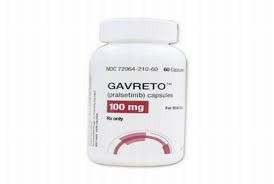
In order to maximize the maintenance of the therapeutic effect of platinib, patients also need to pay attention to the following management points during the medication. First of all, take medication strictly in accordance with the doctor's instructions and do not increase or decrease the dose or interrupt treatment without authorization. Even if the clinical symptoms are significantly improved, it does not mean that the cancer cells have been completely eliminated. Stopping the drug can easily lead to a rebound of the disease and even the expansion of more aggressive drug-resistant clones. Secondly, pay attention to monitoring drug-related side effects. Although platinib is relatively mild, it may still cause problems such as high blood pressure, abnormal liver function, constipation, fatigue, and rare interstitial pneumonia. If symptoms such as shortness of breath, jaundice, severe constipation or chest tightness occur, you should report to your doctor in time and adjust your medication or deal with complications according to the situation.
In addition, drug interactions are also important considerations when using platinib. The drug passedCYP3A enzyme metabolizes, so it is necessary to avoid co-administration with strong CYP3A inhibitors (such as certain antifungal drugs, antiviral drugs) or inducers (such as rifampicin), so as not to affect its blood concentration, resulting in reduced efficacy or increased toxicity. In terms of diet, patients should avoid grapefruit-based foods as it may interfere with drug metabolism. It is also extremely important that every follow-up visit should be taken seriously. Doctors will decide based on the patient's status whether it is necessary to retest RET, adjust dosage, initiate combination therapy, or switch to a new generation of RET inhibitors to deal with potential resistance.
In short, platinib is a targeted drug that has significant benefits forRET fusion-positive patients. The maintenance time of its therapeutic effect has good potential, but it is still affected by individual differences and tumor resistance mechanisms. In order to maintain the therapeutic effect for as long as possible, in addition to insisting on regular medication, patients should also closely cooperate with medical monitoring, manage side effects, avoid drug interference, and adjust treatment strategies in a timely manner when necessary.
Reference: https://gavreto.com/
[ 免责声明 ] 本页面内容来自公开渠道(如FDA官网、Drugs官网、原研药厂官网等),仅供持有医疗专业资质的人员用于医学药学研究参考,不构成任何治疗建议或药品推荐。所涉药品可能未在中国大陆获批上市,不适用于中国境内销售和使用。如需治疗,请咨询正规医疗机构。本站不提供药品销售或代购服务。


