
.jpeg)
Must-read for patients: Is capmatinib included in medical insurance and can it be reimbursed?
Capmatinib, as an important targeted drug currently used to treat patients with non-small cell lung cancer (NSCLC) 中 MET exon 14 skipping mutations, has recently been officially approved for marketing in mainland China and has been successfully included in the National Reimbursement Directory, marking a key step in precision lung cancer treatment in China. According to the latest version of the National Medical Insurance Drug Catalog, the indications for capmatinib are clearly limited to "adult patients with locally advanced or metastatic NSCLC who have not been systematically treated and carry mesenchymal epithelial transition factor (MET) exon 14 skipping mutations." This also means that not all lung cancer patients can use the drug through medical insurance reimbursement and must meet the conditions for precise population screening.
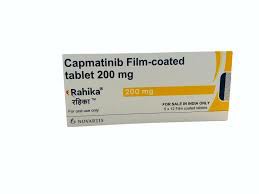
The mainstream specifications of Capmatinib currently available in the domestic market are 200 mg 60 tablets and 150 mg 60 tablets, with the original price per box being approximately RMB 30,000. Since it is included in the medical insurance catalog and is implemented at the negotiated price reduction, eligible patients can greatly reduce their drug burden after being reimbursed by medical insurance.
In the actual reimbursement process, patients need to provide qualified diagnostic certificates (such as the pathology report clearly indicates the "METex14 skipping" mutation), and complete medical insurance registration at a designated medical institution. The attending doctor will issue an application for medication in the medical insurance catalog and fill in relevant reimbursement information. Some cities have launched electronic medical insurance systems, allowing patients to complete the drug approval and reimbursement procedures for capmatinib more efficiently. In addition, some large hospitals in China have set up targeted drug medical insurance guidance windows to assist patients in completing the entire process of medical insurance connection from diagnosis to medication.
It is worth mentioning that for patients who do not meet the medical insurance indication restrictions, are in the second-line treatment stage, or want to continue using capmatinib after developing drug resistance, current medical insurance cannot cover the drug expenditures of this group of people, and they still need to purchase it at their own expense. In this regard, some patients may consider using overseas generic versions, such as Indian or Laotian versions, to reduce financial pressure.
Reference materials:https://www.drugs.com/mtm/capmatinib.html
[ 免责声明 ] 本页面内容来自公开渠道(如FDA官网、Drugs官网、原研药厂官网等),仅供持有医疗专业资质的人员用于医学药学研究参考,不构成任何治疗建议或药品推荐。所涉药品可能未在中国大陆获批上市,不适用于中国境内销售和使用。如需治疗,请咨询正规医疗机构。本站不提供药品销售或代购服务。


