
.jpeg)
After using platinib, will the effect be affected once the drug is stopped?
In the treatment of RET fusion-positive non-small cell lung cancer (NSCLC) with Pralsetinib, continuous administration of the drug is usually an important prerequisite for ensuring therapeutic efficacy. Once a patient stops taking the drug, the inhibitory effect on the RET pathway in the body may be rapidly weakened, allowing tumor cells to resume activity, leading to the risk of tumor recurrence or progression. This phenomenon occurs with many targeted therapies and is known as "tumor rebound" or "disease flare" and must be treated with caution.
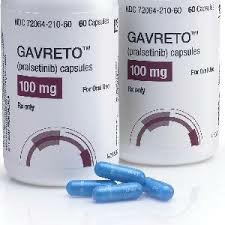
Platinib, as a highly selective RET inhibitor, works by continuously blocking RET signaling to maintain cancer cells in a low proliferation state. Once the drug concentration drops below the therapeutic threshold, the target signal is reactivated, and the cancer cells may respond quickly and accelerate growth. Especially in tumor cells that have become dependent on platinib, abrupt cessation of treatment may restore their ability to progress rapidly, leading to worsening of the disease. In addition, intermittent drug withdrawal may also lead to the emergence of drug-resistant clones, affecting subsequent treatment options. Therefore, from the perspective of international oncology practice, once targeted drugs are started, they should continue to be used in principle, unless severe side effects or drug resistance require a change of regimen.
However, it is not completely unfeasible if the patient must discontinue medication due to adverse reactions, other comorbidities, or financial reasons. At this time, individualized drug management strategies need to be developed, such as gradually reducing the dose, closely observing tumor dynamics, or supplementing with other supportive treatments to reduce the risk of recurrence. In addition, after some patients reach a stable state for a long period of time, doctors may appropriately reduce the dose or extend the medication interval based on disease assessment, but this must be based on detailed imaging and molecular biology monitoring, and they cannot decide to stop medication on their own.
Reference: https://gavreto.com/
[ 免责声明 ] 本页面内容来自公开渠道(如FDA官网、Drugs官网、原研药厂官网等),仅供持有医疗专业资质的人员用于医学药学研究参考,不构成任何治疗建议或药品推荐。所涉药品可能未在中国大陆获批上市,不适用于中国境内销售和使用。如需治疗,请咨询正规医疗机构。本站不提供药品销售或代购服务。


