
.jpeg)
Bimetinib combination therapy: What is the efficacy in patients with BRAF mutations?
Binimetinib/Bemetinib, as a highly selective MEK inhibitor, has been increasingly gaining ground in the field of targeted tumor therapy in recent years, especially among patients with BRAF mutations. Its combination treatment strategy has received increasing attention and research. BRAF gene mutations, especially V600E mutations, are common driver mutations in a variety of solid tumors. The most typical application scenarios are melanoma, non-small cell lung cancer, colorectal cancer, and thyroid cancer. In these BRAF mutation-positive patients, single use of BRAF inhibitors may achieve better clinical responses in the short term. However, because tumor cells can develop drug resistance through MEK activation downstream of the MAPK signaling pathway, combined use of MEK inhibitors such as bimetinib is considered an important means to delay drug resistance and enhance efficacy.
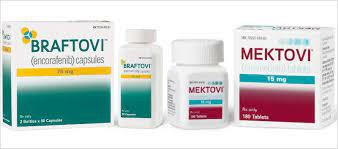
The most well-known combination treatment mode of bimetinib is paired with entrectinib (Encorafenib) for the treatment of advanced melanoma with BRAF V600 mutations. This solution is based on its dual blocking mechanism of upstream and downstream targets in the MAPK pathway, effectively blocking the proliferation signaling pathway of tumor cells. A number of foreign clinical practices have shown that this combination is superior to single-agent therapy in terms of prolonging progression-free survival and improving disease response rates. At the same time, its toxic and side effect spectrum is also more controllable. In particular, compared with the dabrafenib + trametinib combination in the early BRAF/MEK combination regimen, the tolerability of bimetinib + encorafenib is significantly improved.
InBRAF mutated non-small cell lung cancer (NSCLC), although bimetinib has not yet become the standard treatment drug in this field, research is continuing to advance. Since lung cancer patients are often accompanied by multiple co-mutations, such as TP53, EGFR, etc., bimetinib combined with BRAF inhibitors or other targeted drugs such as immune checkpoint inhibitors has shown potential synergistic therapeutic advantages in specific populations. It is worth noting that MEK inhibitors themselves can also play a certain role in regulating inflammatory factors, angiogenesis, etc., so they are considered to have theoretical synergistic potential in combination with immunotherapy. Although most of the research in this area is in the preliminary exploration stage, future personalized combination treatments based on accurate classification may further expand the indication boundaries of bimetinib.
For colorectal cancer patients with BRAF V600 mutations, the effect of simple BRAF inhibitors is not ideal. The main reason is that tumor cells can activate the EGFR pathway for bypass escape. Therefore, bimetinib has also been included in multi-target combination regimens, with typical models such as triple therapy of "BRAF inhibitor + MEK inhibitor + EGFR monoclonal antibody". This regimen has shown good response rates in some refractory cases, making bimetinib not only limited to the field of melanoma, but also opening up new treatment avenues in colorectal cancer.
From a pharmacokinetic perspective, bimetinib has the advantages of oral administration, stable bioavailability, and balanced distribution in the body. It can better penetrate tumor tissue and improve the efficiency of target action. Compared with traditional chemotherapy, its mechanism of action is more precise and has less impact on normal cells, so the overall quality of life of patients can be significantly improved. In terms of side effects, common ones include rash, edema, increased creatinine, eye discomfort, etc., which require regular testing and individualized treatment, but the overall controllability is good. Since combination programs often involve the combination of multiple drugs, patients need to closely follow the doctor's instructions and implement the medication plan to prevent drug interactions and cumulative toxicity.
Reference materials:https://go.drugbank.com/drugs/DB11967
[ 免责声明 ] 本页面内容来自公开渠道(如FDA官网、Drugs官网、原研药厂官网等),仅供持有医疗专业资质的人员用于医学药学研究参考,不构成任何治疗建议或药品推荐。所涉药品可能未在中国大陆获批上市,不适用于中国境内销售和使用。如需治疗,请咨询正规医疗机构。本站不提供药品销售或代购服务。


