
.jpeg)
Nintedanib in SSc-ILD: Can skin sclerosis be reversed?
Systemic Sclerosis (SSc) is a complex autoimmune disease that often manifests as extensive skin sclerosis and multi-organ fibrosis. Interstitial Lung Disease (ILD) formed by lung involvement is considered to be one of its main causes of death. Nintedanib (Nintedanib) is approved for the treatment of SSc-related ILD (SSc-ILD). It inhibits the tyrosine kinase activity of multiple cytokine receptors, thereby delaying the progression of pulmonary fibrosis. So, here comes the question: Since it is effective on the lungs, does this drug also have a reversal effect on skin sclerosis?
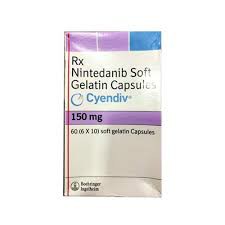
Based on current research, nintedanib has clear efficacy in treating lung lesions and can effectively slow down the decline of lung function and improve patients' quality of life. But the data is not promising on whether it can improve or reverse skin hardening. The pathological process of SSc skin sclerosis is similar to that of pulmonary fibrosis, but there are differences in the tissue distribution, target expression and local drug efficacy of the drugs. Multiple overseas studies have shown that nintedanib has limited impact on skin thickness (mRSS score) and cannot be regarded as a treatment to "improve skin symptoms".
Skin sclerosis is mainly caused by the continued activation of subcutaneous fibroblasts and excessive synthesis of collagen. Traditional treatment strategies include immunosuppressants such as methotrexate, cyclophosphamide, or rituximab. These drugs have the potential to improve skin symptoms by modulating the immune response. Nintedanib is used more as a specific anti-fibrotic drug for lung involvement. Although some patients may experience slight relief of skin sclerosis during long-term use, it is not yet confirmed that this is a direct effect of the drug itself.
Therefore, for SSc-ILD patients, the focus of nintedanib use is still to control the progression of pulmonary fibrosis and avoid further functional deterioration. In terms of skin treatment, comprehensive intervention should be used, including drug treatment, physical therapy, skin moisturizing and care, etc., to achieve comprehensive management of systemic diseases.
Reference materials:https://en.wikipedia.org/wiki/Nintedanib
[ 免责声明 ] 本页面内容来自公开渠道(如FDA官网、Drugs官网、原研药厂官网等),仅供持有医疗专业资质的人员用于医学药学研究参考,不构成任何治疗建议或药品推荐。所涉药品可能未在中国大陆获批上市,不适用于中国境内销售和使用。如需治疗,请咨询正规医疗机构。本站不提供药品销售或代购服务。


