
.jpeg)
Research and effects of milizumab dose optimization protocol
The dose optimization of Mirikizumab has been an important direction of research in recent years, with the aim of improving patient compliance, reducing adverse reactions and reducing economic burden while ensuring efficacy. The current dosing strategy for milizumab mainly revolves around two phases: induction phase and maintenance phase. According to existing studies, higher doses are used in the induction treatment phase (such as 300 mg intravenously every 4 weeks for 12 weeks) to quickly relieve inflammatory symptoms, and then enter the maintenance phase. The dose is usually adjusted to a subcutaneous injection every 12 weeks, with a dose of about 200 mg.
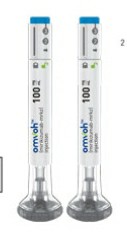
A key point in dose optimization lies in individual patient differences. Some studies have explored strategies to adjust dosing frequency and dosage based on body weight, genotype and inflammatory biomarkers (such asCRP, fecal calprotectin, etc.) to more accurately predict efficacy and tolerability. For example, patients who are heavier or have higher inflammation markers may need longer induction therapy or higher doses, while patients with better disease control can have longer intervals between injections, thereby reducing the total amount of drug used and the risk of side effects.
In addition, the study also found that militizumab has a longer half-life, which provides a theoretical basis for the "intermittent low-frequency injection" strategy. In some cases, subcutaneous injection once every 3 months can maintain mucosal healing and clinical remission, significantly improving quality of life. At the same time, evidence has shown that moderate reductions in dose frequency do not significantly increase the risk of disease recurrence, but can help reduce the burden of long-term suppression of the immune system. In the future, with the development of personalized treatment and precision medicine, the dosage optimization of milizumab is expected to be more refined through AI-assisted decision-making systems, thereby improving the efficiency and safety of its clinical application.
Reference materials:https://omvoh.lilly.com/
[ 免责声明 ] 本页面内容来自公开渠道(如FDA官网、Drugs官网、原研药厂官网等),仅供持有医疗专业资质的人员用于医学药学研究参考,不构成任何治疗建议或药品推荐。所涉药品可能未在中国大陆获批上市,不适用于中国境内销售和使用。如需治疗,请咨询正规医疗机构。本站不提供药品销售或代购服务。


