
.jpeg)
Contraindications of upadatinib: Why should hepatitis B carriers use it with caution?
Upadacitinib is a new type of selective Janus kinase (JAK) 1 inhibitor, mainly used to treat immune-mediated diseases such as rheumatoid arthritis, ankylosing spondylitis, psoriatic arthritis, and atopic dermatitis. It controls immune disorders and reduces inflammatory reactions by inhibiting the activity of key inflammatory factors in the JAK-STAT signaling pathway. Although the drug has shown good therapeutic effects in clinical use, its use carries significant risks for hepatitis B virus (HBV) carriers or people with past infections, so it has been included in the drug warning range.
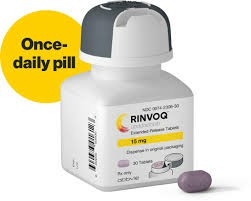
The main risk between HBV and JAK inhibitors is the potential "HBV reactivation" phenomenon. The JAK-STAT pathway is not only involved in the regulation of immune responses, but also plays a central role in the host antiviral mechanism. Although the immunosuppressive effect of upapatinib helps reduce autoimmune inflammation, it may also weaken the body's immune surveillance ability against latent viruses, especially for those individuals who still have hepatitis B virus DNA in their bodies (even if the surface antigen is negative). Once the immune system is suppressed, the hepatitis B virus may actively replicate again, causing abnormal liver function or even an acute hepatitis outbreak, posing a potential threat to the patient's life.
According to overseas guidelines, for HBsAg-positive or anti-HBc-positive patients, detailed virological screening, including HBV DNA level testing, must be performed before initiating upatinib. For those with active viral replication, antiviral treatment should be given first, and the simultaneous use of antiviral drugs should be maintained during the entire use of Upadatinib. If the virus is in a quiescent state, it is also recommended to regularly monitor viral load and liver function indicators during treatment to prevent sudden viral activation.
In addition, considering that upadatinib may be used in combination with other immunosuppressants such as methotrexate and glucocorticoids, such combination regimens are more likely to reduce the body's immune defense and increase the risk of hepatitis B relapse.
Reference materials:https://www.rinvoq.com/
[ 免责声明 ] 本页面内容来自公开渠道(如FDA官网、Drugs官网、原研药厂官网等),仅供持有医疗专业资质的人员用于医学药学研究参考,不构成任何治疗建议或药品推荐。所涉药品可能未在中国大陆获批上市,不适用于中国境内销售和使用。如需治疗,请咨询正规医疗机构。本站不提供药品销售或代购服务。


