
.jpeg)
Can cabozantinib be taken at the same time during radiotherapy?
Cabozantinibas a multi-target tyrosine kinase inhibitor, mainly exerts anti-tumor effects by inhibitingMET, VEGFR, AXL and other signaling pathways. Its efficacy in a variety of advanced solid tumors (kidney cancer, liver cancer, etc.) has been clinically confirmed. Radiotherapy is a local treatment method that uses high-energy rays to kill tumor cells. It is an important part of the standard treatment process for many malignant tumors. For many cancer patients who receive systemic therapy, whether the combination of "cabotinib + radiotherapy" is safe and synergistic is a key issue in clinical treatment decision-making.
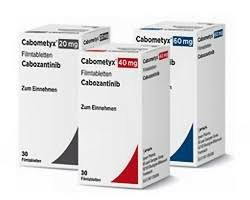
Cabozantinib and radiotherapy can be used together under certain conditions, but the indications and monitoring standards must be strictly followed. The synergistic use of the two may produce an enhanced therapeutic effect on tumor tissue, but also increases the risk of damage to normal tissue. Especially when the radiotherapy target area overlaps with the tumor's rich blood supply area, cabozantinib's inhibitory effect on vascular endothelium may amplify local toxicities caused by radiotherapy, such as skin reactions, mucositis, bone marrow suppression, or gastrointestinal discomfort. Therefore, doctors usually recommend that during radiotherapy, the dose of cabozantinib be appropriately adjusted based on the target location, dose plan, and individual patient tolerance, or even discontinue the drug in the short term to reduce the risk of adverse reactions.
In addition, some overseas clinical trials and real-world data have shown that for some patients with limited radiotherapy sites or low doses, it is safe and feasible to use cabozantinib in combination under professional supervision. For example, in radiotherapy for bone metastases, cabozantinib's regulation of the bone microenvironment may help enhance the analgesic effect and bone protection. In radiotherapy areas of the head and neck, abdomen or pelvis, special attention needs to be paid to the compound damage caused by drug-radiotherapy interaction to the digestive tract and nervous system.
Comprehensive consideration, whether to use cabozantinib during radiotherapy should be based on individualized assessment: including tumor type, target location, patient's liver and kidney function, past treatment history, occurrence of adverse reactions and other factors.
Reference:https://en.wikipedia.org/wiki/Cabozantinib
[ 免责声明 ] 本页面内容来自公开渠道(如FDA官网、Drugs官网、原研药厂官网等),仅供持有医疗专业资质的人员用于医学药学研究参考,不构成任何治疗建议或药品推荐。所涉药品可能未在中国大陆获批上市,不适用于中国境内销售和使用。如需治疗,请咨询正规医疗机构。本站不提供药品销售或代购服务。


