
.jpeg)
Analysis of the long-term medication safety and monitoring plan of Rasagiline
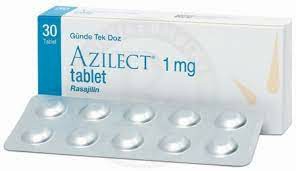
Rasagiline (Rasagiline) is a potent and selective monoamine oxidase B type (MAO-B ) inhibitors, widely used in the treatment of Parkinson's disease, especially suitable for early monotherapy or combined with levodopa to alleviate "on-off" fluctuations. With the widespread use of rasagiline in the long-term treatment of Parkinson's disease, its safety and necessary monitoring strategies have attracted increasing clinical attention. This article will conduct a systematic analysis from four aspects: safety data of long-term medication, risk of adverse reactions, monitoring recommendations and clinical management.
1. Safety overview of long-term use of rasagiline
Clinical studies have shown that rasagiline has good long-term safety and tolerability. In multiple clinical trials lasting more than 1 year, rasagiline has shown stable improvement in efficacy and a lower incidence of adverse events. Its mechanism is different from traditional dopamine agonists. It does not directly stimulate dopamine receptors. Therefore, it is less likely to cause impulse control disorders, hallucinations and other mental symptoms, and is not likely to induce tardive dyskinesia. It is suitable for use by elderly patients or those with cognitive decline.
Rasagiline can delay the progression of motor symptoms when treating patients with early-stage Parkinson's disease; when combined with levodopa in the late stage, it can reduce the "off" period and improve the quality of the "on" period without significantly increasing the risk of dyskinesia. This feature makes it an important part of the long-term comprehensive treatment plan for PD, especially for patients who need to maintain long-term efficacy and reduce the risk of side effects.
2. Potential adverse reactions and risks
Although rasagiline has an overall good safety profile, there are still concerns about adverse reactions and potential drug interactions. Common side effects include headache, joint pain, depression, mild nausea, fatigue, and insomnia. Most symptoms are mild to moderate and usually resolve without stopping medication.
It should be noted that rasagiline, as a MAO-B inhibitor, may theoretically cause 5- serotonin syndrome or Hypertensive crisis, especially when combined with selective 5-serotonin reuptake inhibitors (SSRI), tricyclic antidepressants, pethidine and other centrally active drugs, should be strictly avoided. At the same time, patients should try to avoid ingesting foods with high tyramine content (such as aged cheese, bacon, etc.). Although rasagiline selectively inhibits MAO-B at the recommended dose and has minimal impact on MAO-A, a very few patients with special constitutions may still react.
The metabolism of rasagiline may be affected in patients with hepatic impairment. Although it is mainly metabolized by the liverCYP1A2 and does not require routine liver enzyme monitoring, caution should be exercised in patients who are combined with other hepatotoxic drugs or have abnormal liver function.
3. Long-term medication monitoring indicators and frequency recommendations
In order to improve the safety of long-term use of rasagiline, it is recommended to develop a systematic monitoring plan, including symptom monitoring, biochemical testing and drug interaction assessment:
Clinical symptom monitoring: During follow-up visits every 3-6 months, the doctor should ask in detail whether there are any new symptoms such as insomnia, anxiety, mood swings, hallucinations or fatigue. Especially when combined with dopamine agonist or levodopa treatment, attention should be paid to whether it aggravates hallucinations or induces impulse control disorders.
Mental status assessment: Patients taking long-term medication should undergo regular depression and cognitive status screening, such as using MMSE or MoCA to assess cognitive function, especially in elderly patients to detect drug-induced cognitive problems early.
Liver and kidney function testing: Although rasagiline does not often cause liver and kidney toxicity, it is recommended to check liver function (ALT, AST) and renal function (creatinine, urea nitrogen) every year or when necessary to adjust the dose in time or detect potential risks.
Drug interaction assessment: Every time the drug regimen is adjusted or other treatments are added, whether there is a metabolic channel conflict with rasagiline should be systematically evaluated, especially when antidepressants, analgesics (such as pethidine, tramadol) or CYP1A2 inhibitors (such as ciprofloxacin) are co-administered.
4. Comprehensive management strategies and patient guidance
The long-term management of rasagiline does not only rely on doctor's prescription, but also requires patients' active participation, self-monitoring and family support. It is recommended that patients take medication regularly every day as directed by their doctor and avoid increasing or decreasing the dose on their own. Because it is taken orally once a day, medication compliance is high, but it still needs to be monitored by a reminder device or family members to ensure stable medication use.
During the medication period, patients should establish a health diary to record changes in symptoms, sleep status, adverse reactions, medication taking time, etc., so that doctors can evaluate the efficacy and safety. In daily life, you should pay attention to a low tyramine diet, regular work and rest, and appropriate exercise to prevent the risk of falls and fractures. Some patients may experience a slight delay in improving their motor status in the early stages of medication. They should wait patiently and discuss with their doctor whether the regimen needs to be adjusted.
At the same time, medical staff should regularly carry out patient education to explain rasagiline’s mechanism of action, side effect warnings, and potential conflicts with other drugs to enhance patients’ confidence in medication. For elderly patients or those with cognitive impairment, emphasis should be placed on strengthening the training of family caregivers to avoid adverse events caused by misuse or conflict with other drugs.
Rasagiline has definite efficacy and good safety profile in the long-term treatment of Parkinson's disease, and its once-daily oral administration makes it popular in clinical practice. However, as with all long-term drug treatments, attention needs to be paid to potential adverse effects, drug interactions, and drug reactions in high-risk patient groups. Through scientific and individualized monitoring and management plans, combined with patient education and lifestyle intervention, the drug safety and therapeutic efficacy of rasagiline can be significantly improved, bringing a more stable and high-quality life to patients with Parkinson's disease.
Reference materials:https://www.azilect.com/
[ 免责声明 ] 本页面内容来自公开渠道(如FDA官网、Drugs官网、原研药厂官网等),仅供持有医疗专业资质的人员用于医学药学研究参考,不构成任何治疗建议或药品推荐。所涉药品可能未在中国大陆获批上市,不适用于中国境内销售和使用。如需治疗,请咨询正规医疗机构。本站不提供药品销售或代购服务。


