
.jpeg)
Diet precautions and life guidelines while taking Finerenone
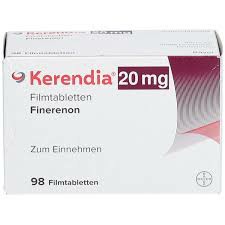
Finerenone is a new type of selective nonsteroidal aldosterone receptor antagonist. It is mainly used to treat patients with type 2 diabetes associated with chronic kidney disease (CKD). Its role is to reduce chronic inflammation and fibrosis in the kidneys and cardiovascular system. During fenelidone treatment, in order to improve drug efficacy and reduce the risk of side effects, patients need to pay special attention to diet and lifestyle, especially scientific management of blood potassium levels, renal function load, drug interactions, etc.
1. Strictly control the intake of potassium in the diet
One of the most common adverse effects of fenelidone is hyperkalemia because it reduces potassium excretion by inhibiting aldosterone. During medication, patients need to closely monitor blood potassium levels and avoid high-potassium foods in their diet. High-potassium foods mainly include bananas, oranges, kiwis, cantaloupes, potatoes, tomatoes, spinach, pumpkins, beans, etc. Although these foods are beneficial to the health of the average person, for users of fenelidone, if consumed improperly, they may cause an increase in blood potassium, which may lead to arrhythmia, muscle weakness, and even cardiac arrest.
It is recommended that patients conduct low-potassium diet regulation under the guidance of a doctor or nutritionist. You can choose low-potassium foods such as apples, grapes, pears, white rice, cabbage, and cucumbers, and be careful not to take potassium-containing supplements or oral rehydration salts on your own. Cooking methods can also help reduce potassium levels, such as blanching vegetables before cooking them, which can help reduce the potassium ions in them.
2. Limit sodium and protein intake to reduce the burden on the kidneys
The main target of fenelidone is the kidneys, so while taking the drug, patients should try to avoid all dietary behaviors that may increase the burden on the kidneys. Among them, a high-sodium diet can increase blood pressure, aggravate renal hyperfiltration, and reduce the protective effect of fenelidone. Patients should control their daily sodium intake to less than 2000mg, that is, no more than 5g of salt, and avoid eating processed foods, canned foods, pickled products and high-salt condiments (such as soy sauce, MSG, pickles, etc.).
Protein intake also needs to be moderately controlled, especially for patients with moderate to severe chronic kidney disease. The daily protein intake should be adjusted according to the doctor's recommendation. It is usually advisable to maintain it at 0.6~0.8 grams per kilogram of body weight. It is recommended to give priority to protein sources with high biological value, such as egg whites, fish, lean meat, etc., and avoid high-fat and high-phosphorus protein sources, such as animal offal and cheese.
3. Avoid ingredients that may interact with fenelidone due to drug or food interactions.
While taking fenelinone, some drugs or foods may affect its metabolism, thereby increasing the risk of side effects or reducing its efficacy. Fenelidone is mainly metabolized by the liverCYP3A4, so concurrent use of CYP3A4 should be avoidedStrong inhibitors, such as itraconazole, clarithromycin, ritonavir and other drugs, otherwise it will significantly increase the blood concentration of fenelidone and increase the risk of hyperkalemia.
In terms of diet, patients should try to avoid eating grapefruit and its products. Grapefruit contains furanocoumarins, which can inhibit CYP3A4 enzyme activity and interfere with the metabolism of fenelinone. Similarly, some health products or herbal ingredients may interact with CYP3A4, so you should consult your doctor before taking them.
4. Lifestyle adjustments cannot be ignored either.
In addition to dietary precautions, patient lifestyle management while using fenelidone is also extremely critical. First of all, regular monitoring of blood pressure, serum potassium and renal function indicators (such as serum creatinine, eGFR) is essential. In the early stage of treatment, special attention should be paid to the increase in blood potassium or fluctuations in renal function that may be caused by the drug. Doctors usually arrange reexaminations every month or every 2-3 months, and patients need to actively cooperate.
Secondly, you should quit smoking and limit alcohol consumption. Smoking will accelerate glomerulosclerosis, and alcohol may aggravate electrolyte imbalance and liver and kidney metabolic burden, which is not conducive to the efficacy of fenelidone. In addition, maintaining a regular schedule and moderate exercise (such as brisk walking, Tai Chi, yoga) can also help control blood sugar, blood lipids and blood pressure, and enhance the overall treatment effect.
Mental adjustment is equally important. Some patients will feel anxious or resistant when they learn that they need to take medicine for a long time, which affects their compliance. It is recommended that patients take the initiative to communicate with their doctors to understand the long-term benefits of drugs and enhance their confidence in treatment; they can also seek support from family members or join an exchange group for chronic disease patients to gain emotional comfort and practical experience.
As a new drug for the treatment of diabetes-related nephropathy and cardiovascular protection, the efficacy of fenelidone has been widely recognized clinically, but its safety and long-term efficacy are highly dependent on the patient's diet and life management. By scientifically controlling the intake of potassium and sodium in the diet, rationally adjusting the protein ratio, avoiding drug interactions, and cultivating good living habits, patients can receive fenelidone treatment more safely and effectively, thereby delaying disease progression and improving quality of life. If you have any discomfort or questions, be sure to report it to your doctor as soon as possible so that treatment strategies can be adjusted in a timely manner.
Reference materials:https://www.kerendia.com/
[ 免责声明 ] 本页面内容来自公开渠道(如FDA官网、Drugs官网、原研药厂官网等),仅供持有医疗专业资质的人员用于医学药学研究参考,不构成任何治疗建议或药品推荐。所涉药品可能未在中国大陆获批上市,不适用于中国境内销售和使用。如需治疗,请咨询正规医疗机构。本站不提供药品销售或代购服务。


